Author meets translator: a conversation with Marion Kraft and Eva Bonné
A warm invitation to the next “Author meets Translator” event: A conversation with Marion Kraft and Eva Bonné about politically sensitive writing and translation.
more...The website is currently undergoing maintenance. We appreciate your understanding!

A warm invitation to the next “Author meets Translator” event: A conversation with Marion Kraft and Eva Bonné about politically sensitive writing and translation.
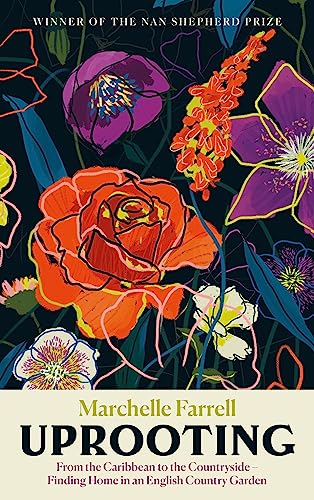
more...Marchelle Farrell’s Nature Memoir Uprooting – From the Caribbean to the Countryside is an emotional search for a place to put down roots. She didn’t expect this place to be a small village in Somerset.
more...A warm invitation to the next poco.lit. Event: A conversation with Mithu Sanyal and Alta L. Price about language, cultural appropriation, cancel culture and humour.
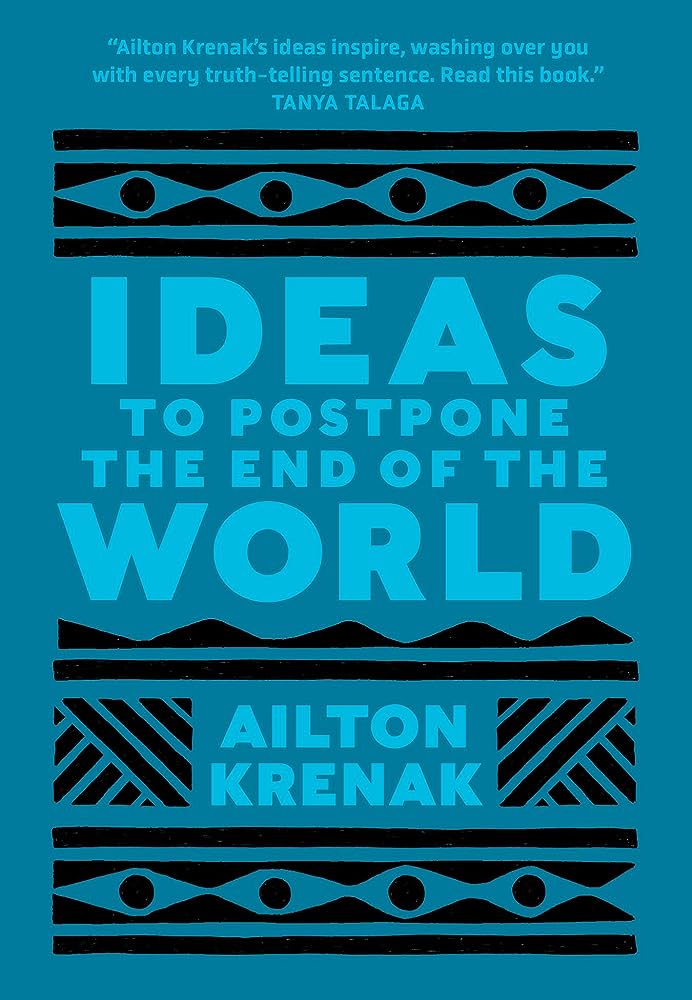
more...Ailton Krenak’s Ideas to postpone the end of the world (translated from Portuguese by Anthony Doyle) is a slim volume bursting with important ideas. Krenak is a philosopher and socio-environmental activist for Indigenous rights from the Krenak homelands along the Doce River.
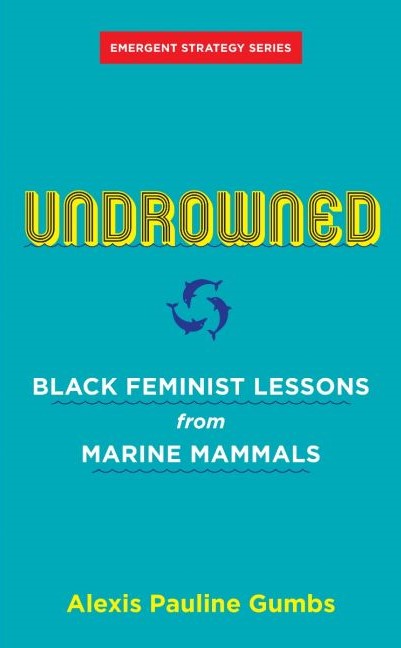
more...Undrowned: Black Feminist Lessons from Marine Mammals by Alexis Pauline Gumbs is one of the strangest books I have read recently – and I mean that in an extremely positive way. I admit I had to get into it first, but then this unusual way of talking about dolphins, whales, seals and co. in connection with Black experiences won me over.
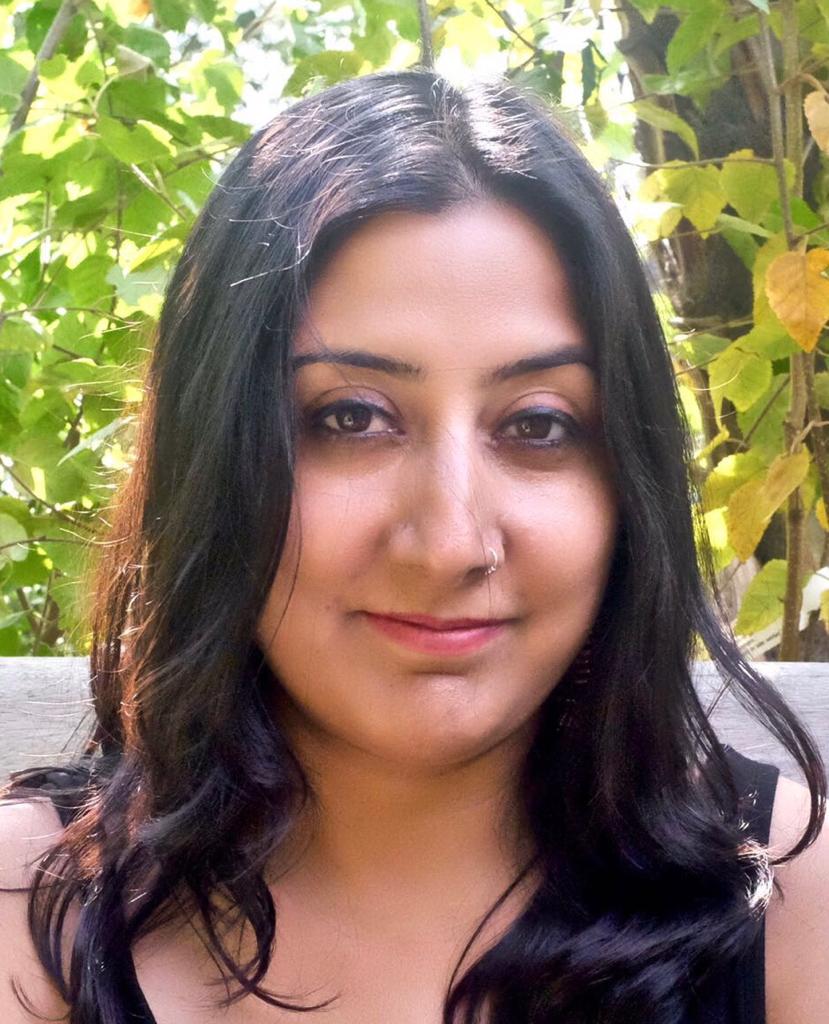
more...Kavita Bhanot is a writer, editor, translator, teacher, and activist based in Birmingham, UK. We were lucky enough to chat to her about her work and her perspective on translation – translation as a political act, a form of violence, and a tool to foster dialogue when used responsibly.
more...Reading through various studies on gender bias in machine translation, I stumble across the sentence: The doctor asked the nurse to help her. It’s used in a study that tests how gender is translated from English into languages which, unlike English, have grammatical gender. This attribution is particularly relevant when it comes to terms that label people. In English, for example, doctor is gender-neutral, whereas in German one would traditionally have to choose between ‘Arzt’ or ‘Ärztin’, the former a male doctor, the latter female. Intrigued, I open one of the most popular translation engines to see what happens when I translate this sentence into German.
more...We spoke with linguist Anna Islentyeva about her research on migration discourse in the contemporary British press. She explains how Brexit has affected the discourse around European migration and how the linguistic patterns used by conservative and left-liberal media differ, but also resemble each other.
more...As part of our macht.sprache. project, we organized a workshop at the Literarisches Colloquium Berlin in early September 2022. This gave us the opportunity to speak with German and American studies scholar Marion Kraft about her translation work. We discussed Audre Lorde, linguistic changes, new translations and team translations.
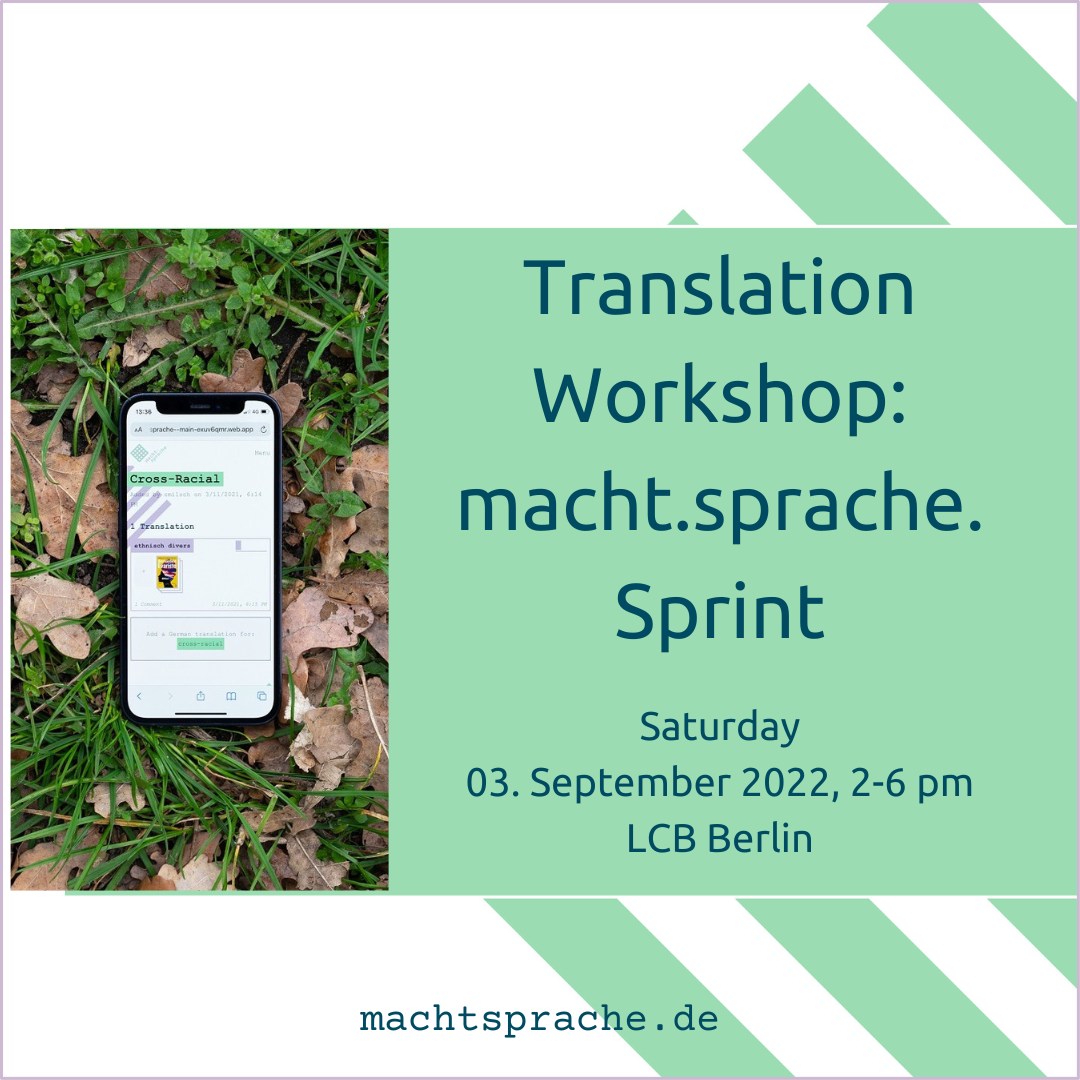
more...We warmly invite you to join us for a workshop on possible ways of dealing with politically sensitive language in translation. Join us at the Literarisches Clloquium Berlin on September 3.
more...