The Emotional Onion
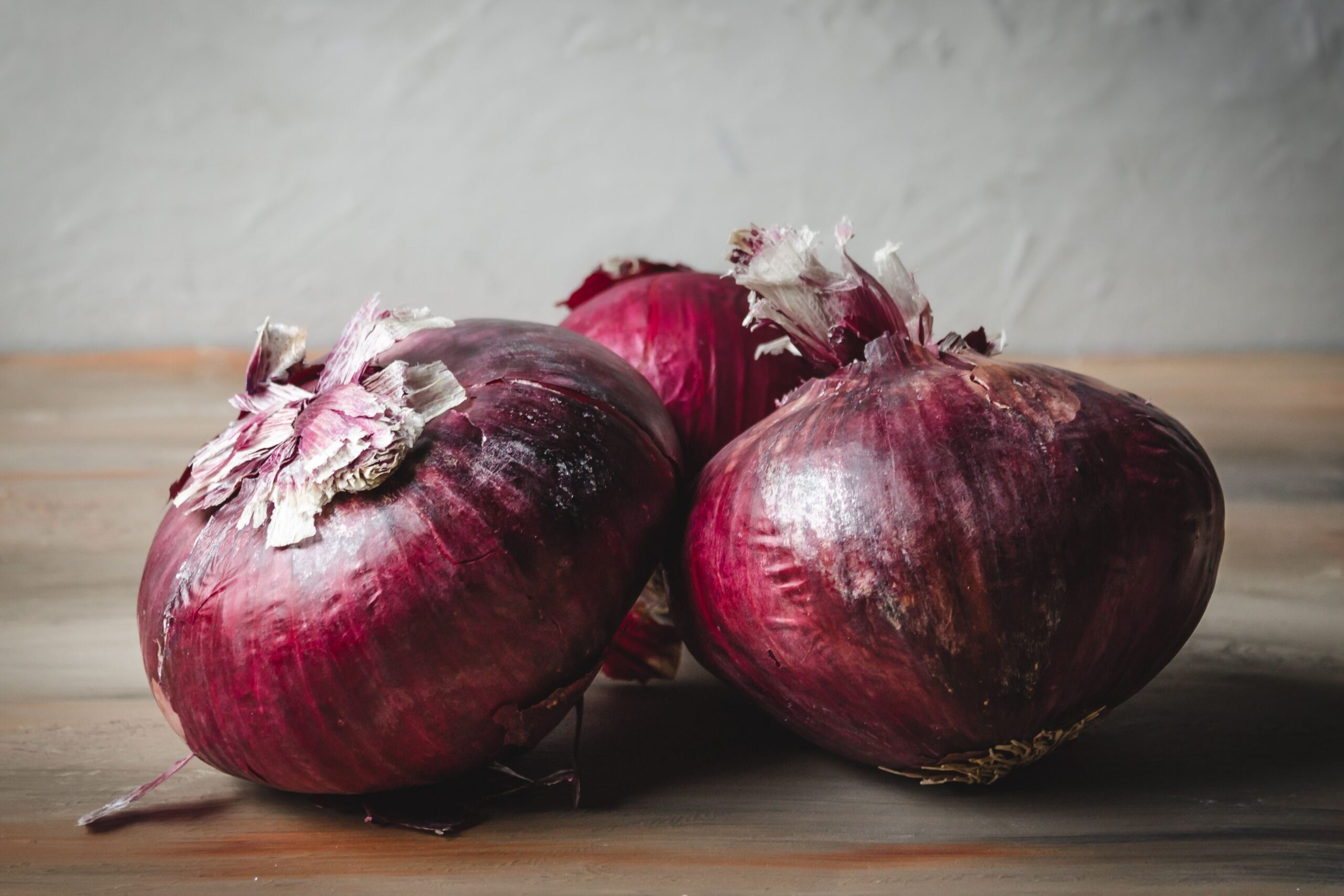
It’s an ingredient which crosses – cultural, political, geographical – boundaries and yet it does not show a lesser degree of respect wherever it goes.
more...The website is currently undergoing maintenance. We appreciate your understanding!
It’s an ingredient which crosses – cultural, political, geographical – boundaries and yet it does not show a lesser degree of respect wherever it goes.
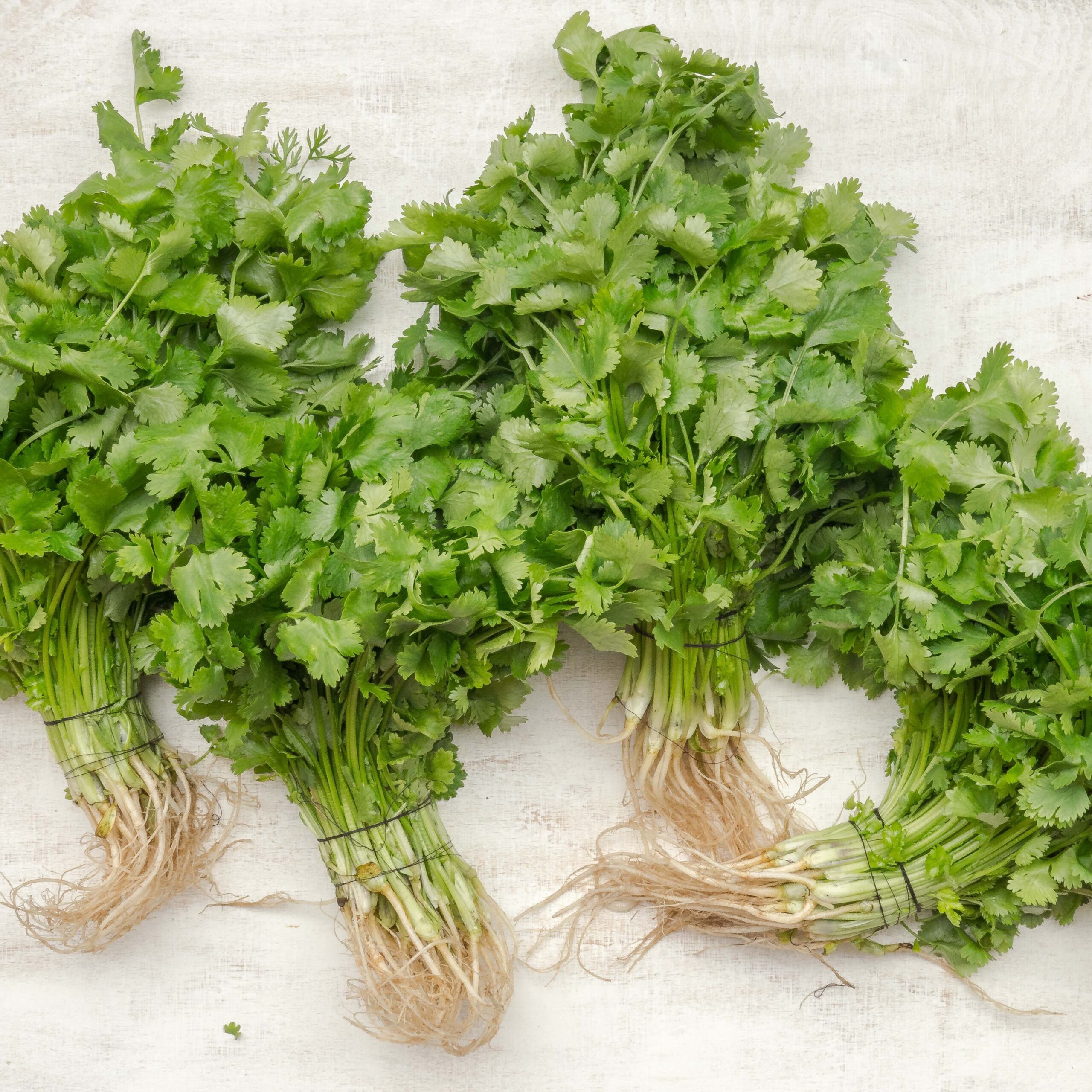
more...Dhaniya in Indian cuisine, cilantro to most North Americans, also referred to as Chinese parsley, coriander gets its name from the plant’s genus, coriandrum sativum.
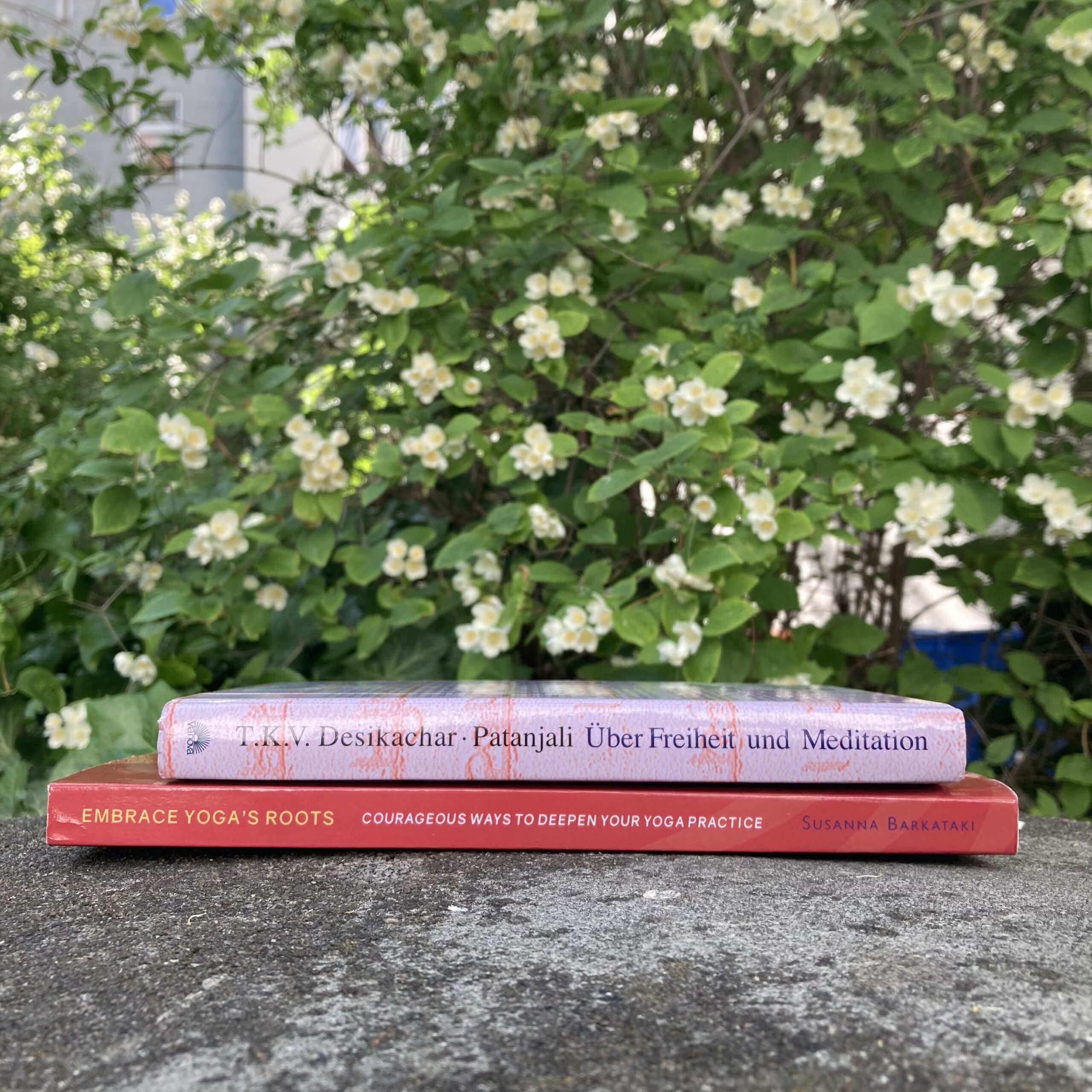
more...“Yoga is not just about exercise; it is a way to discover the sense of oneness with yourself, the world and the nature.”
With this statement, the Prime Minister of India, Narendra Modi, proposed establishing an International Day of Yoga.
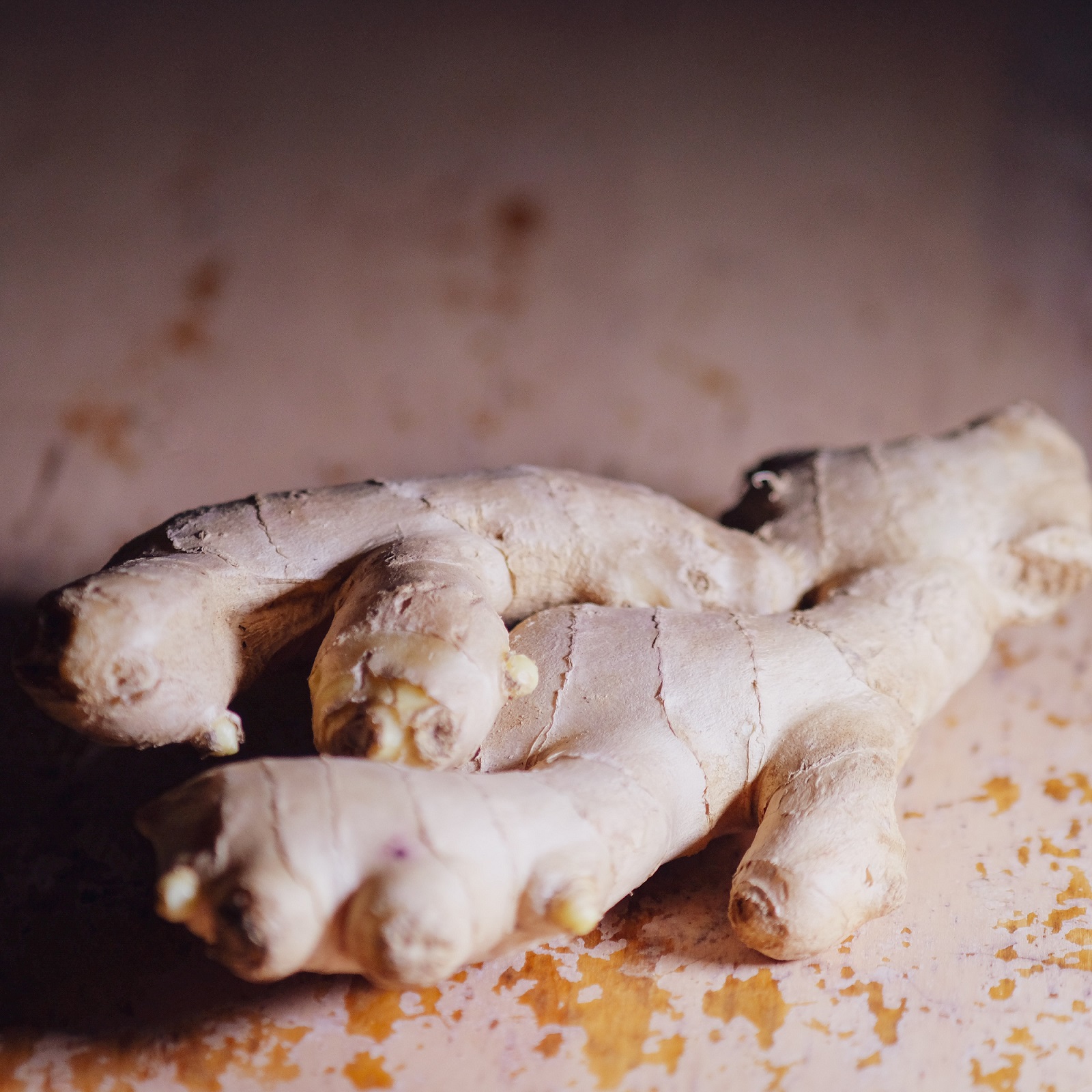
more...Ginger tea to Germans is starting to feel like what Windex brand glass cleaner was to the father in My Big Fat Greek Wedding.
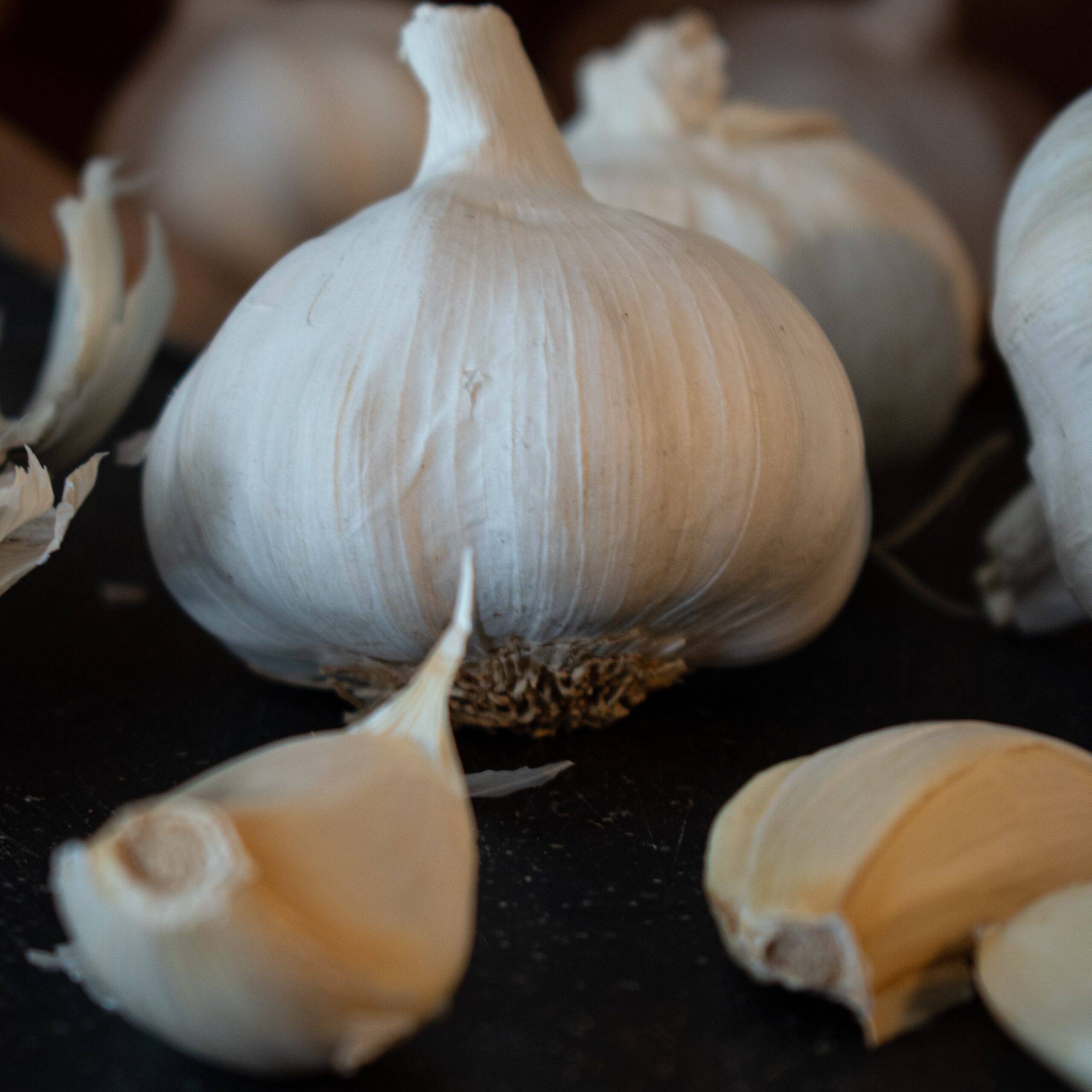
more...There isn’t a garlic tool in the world that has met with my approval so far. I’ve probably tried all of the ones that are small enough to justify filling space in your kitchen. (As opposed to some overpriced whack-chopper machine advertised on TV.)
more...Reading through various studies on gender bias in machine translation, I stumble across the sentence: The doctor asked the nurse to help her. It’s used in a study that tests how gender is translated from English into languages which, unlike English, have grammatical gender. This attribution is particularly relevant when it comes to terms that label people. In English, for example, doctor is gender-neutral, whereas in German one would traditionally have to choose between ‘Arzt’ or ‘Ärztin’, the former a male doctor, the latter female. Intrigued, I open one of the most popular translation engines to see what happens when I translate this sentence into German.
more...One of our aims with poco.lit. is to try to demystify some of the key ideas in and around postcolonial studies. In this post, we take a look at an article called “Decolonization is not a metaphor”, published by Eve Tuck and K. Wayne Yang in 2012.
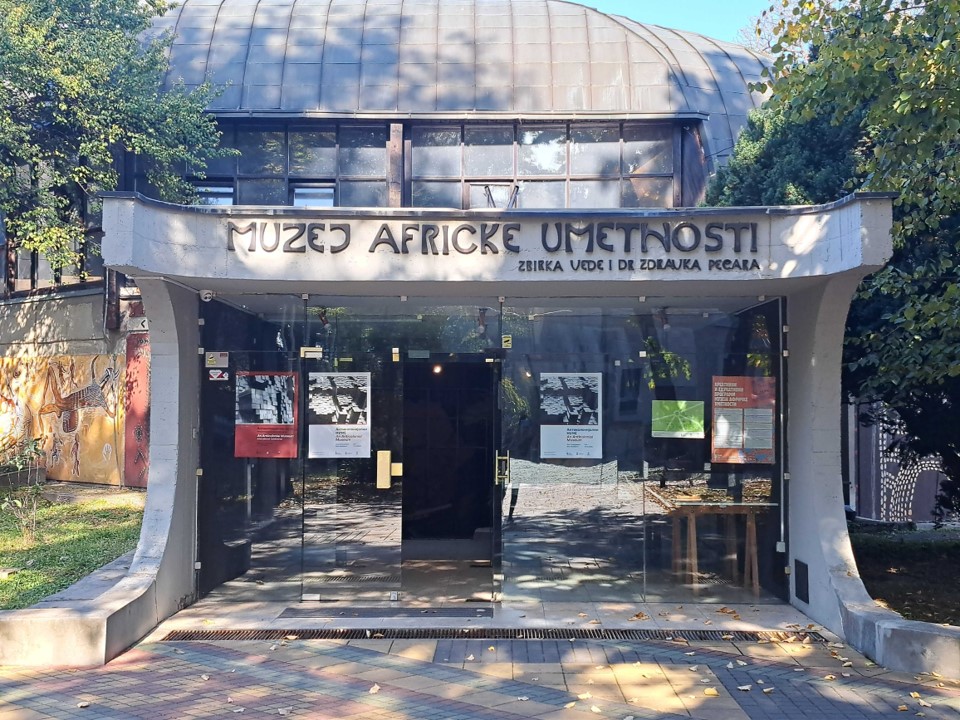
more...I could have taken a bus, but I decided to walk. This was a mistake, as my journey on this otherwise beautiful autumn morning in Belgrade took me along a highway full of thunderous traffic, noxious car fumes, and a bewildering labyrinth of pedestrian over- and underpasses. But after getting lost and taking twice as long for the trip as intended, I finally arrived in the leafy suburb of my destination: The Museum of African Art.
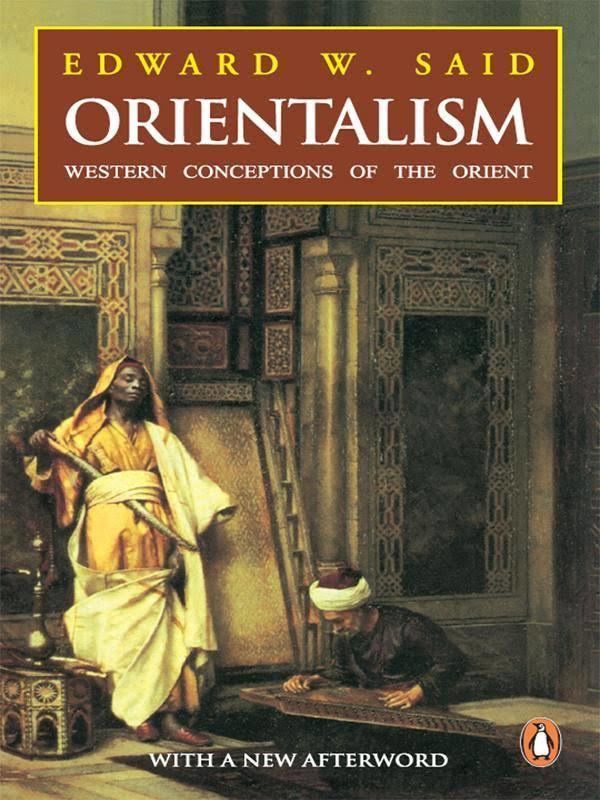
more...One of our aims with poco.lit. is to try to demystify some of the core ideas in and around postcolonial studies and the ways in which postcolonial literatures have been read. In this post, we take a look at Orientalism by Edward Said and some of its key contributions to thinking about colonial practices.
more...Our project macht.sprache. had us thinking about sensitive translation. But even within one language, there are many reasons to strive for sensitive expression. Sensitivity Readings support authors in taking a diverse readership into consideration.
more...