On The Tip Of My Tongue
We moved to Mumbai when I was 5 years old, already speaking Hindi, English, and crumbs of Nepalese, dregs of infancy passed in Kathmandu.
more...The website is currently undergoing maintenance. We appreciate your understanding!

We moved to Mumbai when I was 5 years old, already speaking Hindi, English, and crumbs of Nepalese, dregs of infancy passed in Kathmandu.
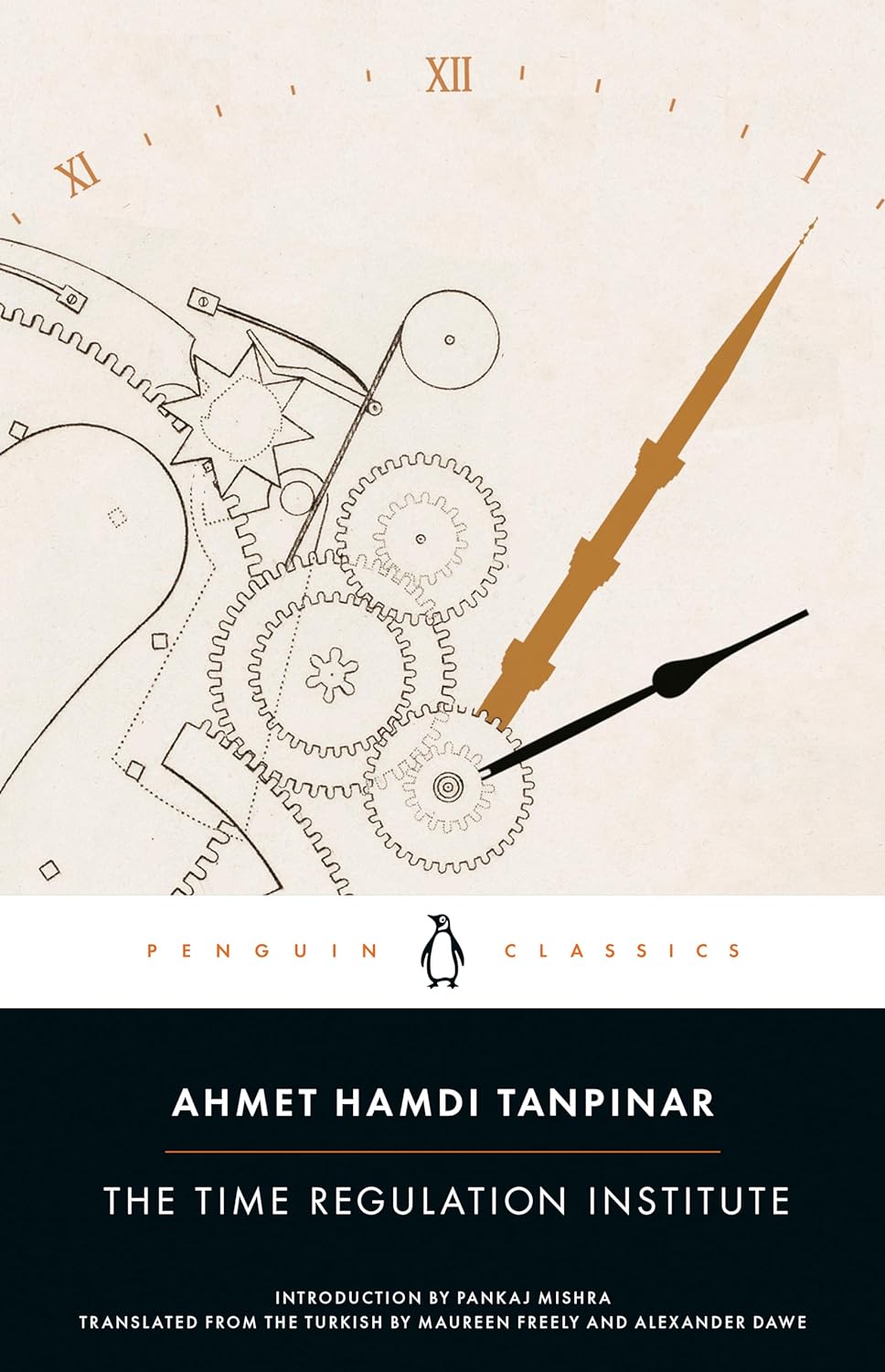
more...The novel, by writer and literary historian Ahmet Hamdi Tanpınar (1901-1962) is considered one of the most meaningful works of modern Turkish literature and offers a satirical glimpse into the processes of modernization during the transition from the Ottoman Empire to the Republic of Turkey.
more...In the Old Testament, the story of The Tower of Babel is told: in reaction to the hubris of humankind, God spreads people across the world and muddles up their languages. The barriers to understanding thus become the penalty for humankind’s hubris. R. F. Kuang’s Babel takes place in a similar time of human arrogance: in 1836, Oxford – with its fictive Royal Institute for Translation, informally known as Babel – is at the centre of the British Empire.
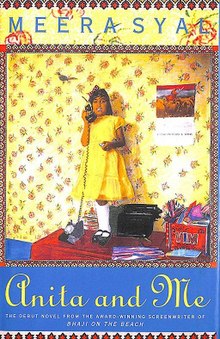
more...In Meera Syal’s semi-autobiographical novel, Meena Kumar is the only Indian girl in the former British mining village of Tollington. While her parents wait in vain for their daughter’s sudden and definitive metamorphosis into the model Indian girl, all Meena wants is to be a Tollington wench.
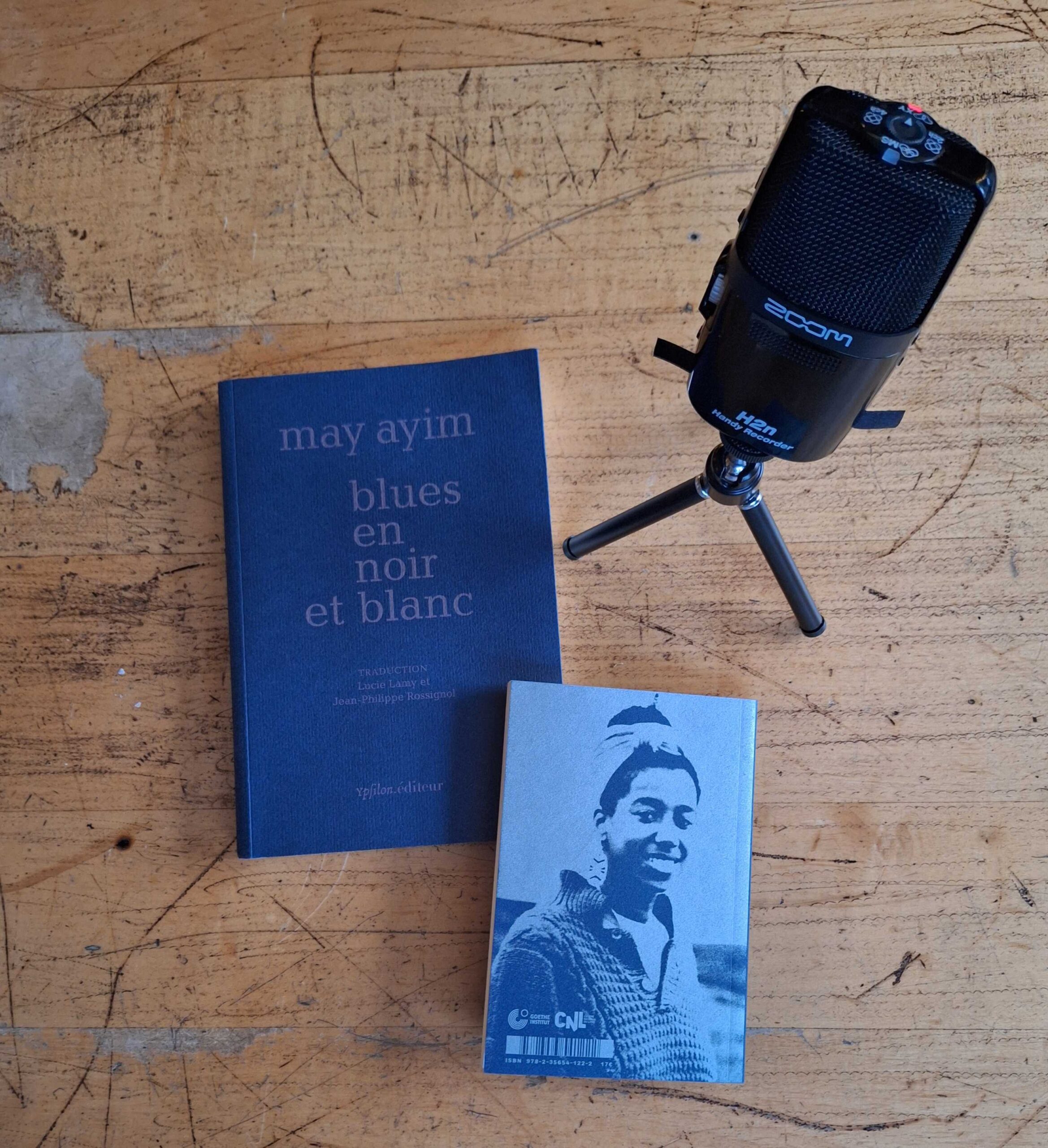
more...Within the framework of the Resonance program organized by the Goethe-Institutes in France, Justine Coquel and Anna von Rath chatted with Lucie Lamy, who, together with Jean-Philippe Rossignol, translated May Ayim’s works into French.
more...Issa, who lives in Frankfurt am Main, is pregnant and desperate. The situation with her child’s father is complicated as is with her mother. No longer knowing what to do, and at the urging of her mother, she flies to see her grandmother and great-grandmother in Cameroon.
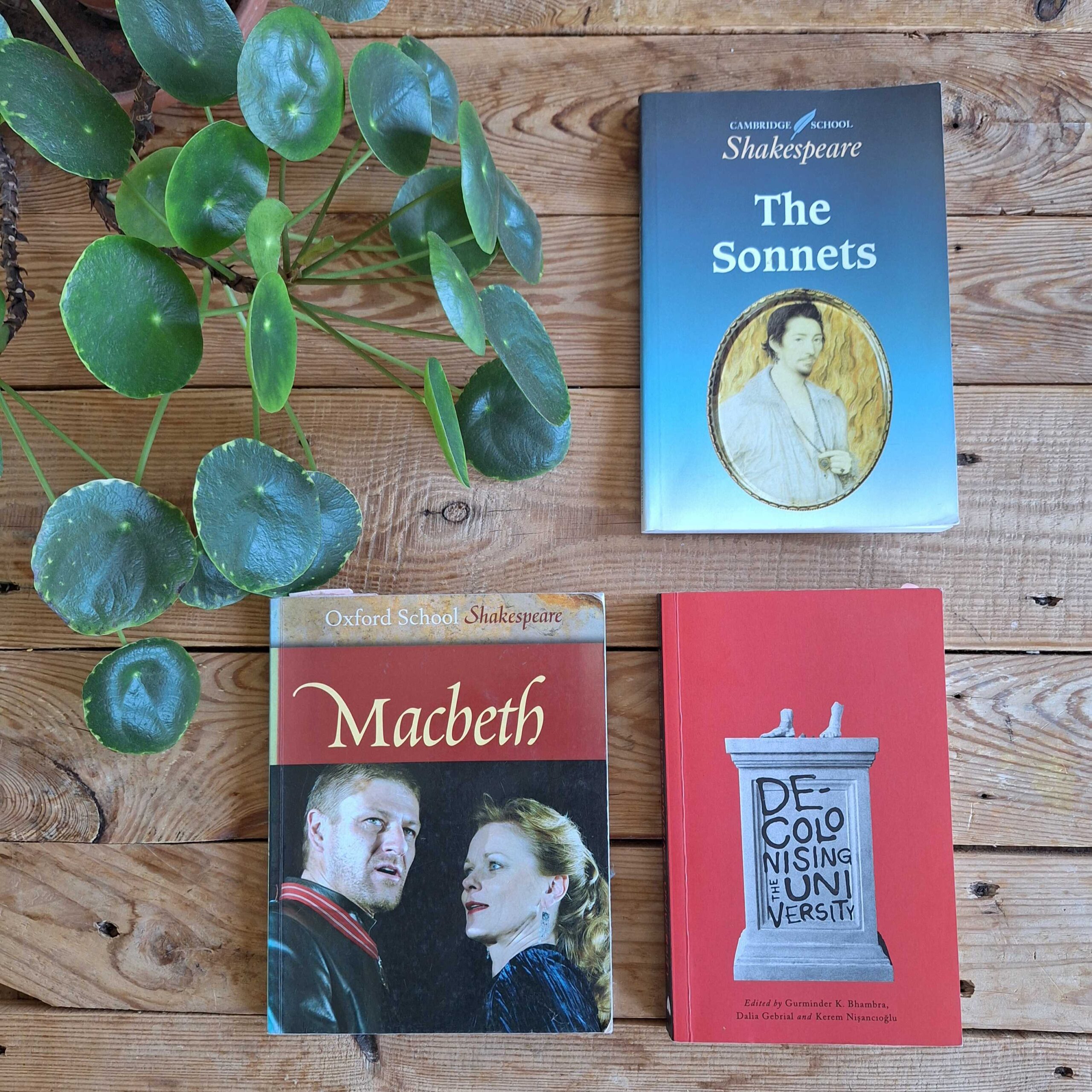
more...If your interests lie with the postcolonial, Shakespeare might seem like an unlikely port of call. Or rather, he might seem representative of a lot of the things a postcolonial approach would be interested in working against. He could, for instance, represent what needs to be removed in calls to ‘decolonize the university’: a dead […]
more...One of our aims with poco.lit. is to try to demystify some of the core ideas in and around postcolonial studies. Here we’ve compiled 7 introductory essays that discuss different aspects of postcolonialism.
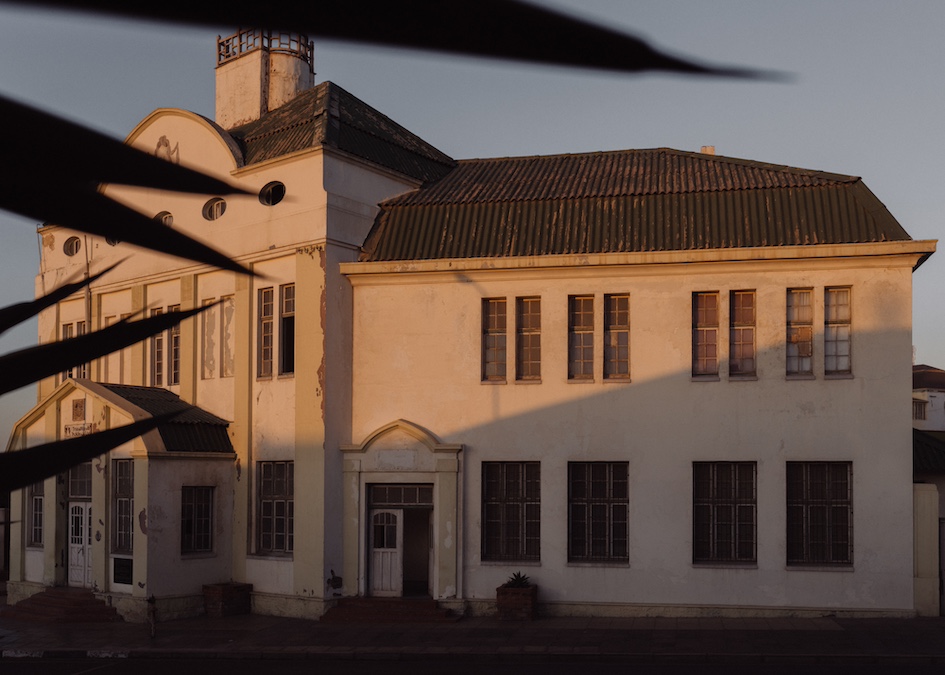
more...Around 12,000 kilometers apart are two places that could hardly be more different and yet share the same name: Lüderitz in the north of Saxony-Anhalt and Lüderitz in the southwest of Namibia. The two towns of Lüderitz act as a visual setting for negotiations of the past.
more...If you are interested in postcolonial literature but don’t really know where to begin, we put together a list of 5 postcolonial classics for you.
more...