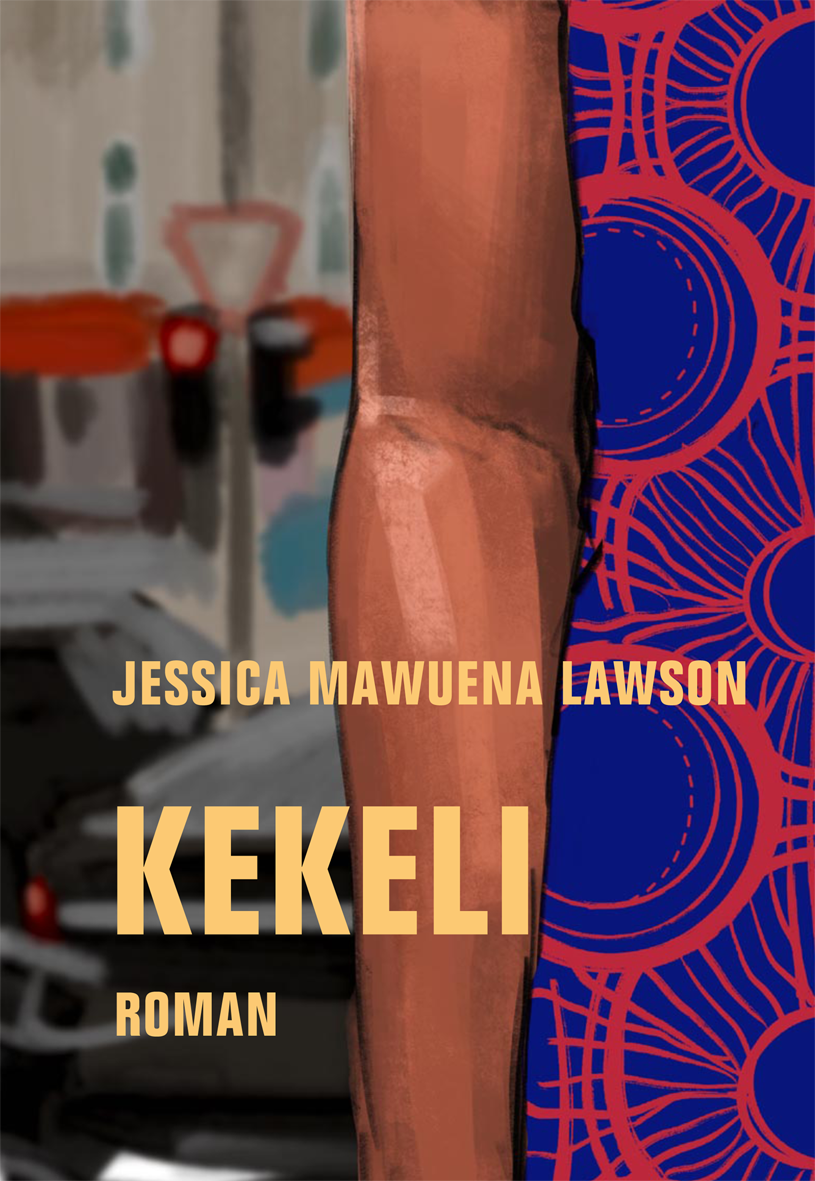
Jessica Mawuena Lawson’s debut novel Kekeli is set in that magical time between high school graduation exams and whatever comes next. During these few weeks, young adults often suddenly find themselves with a lot of time on their hands. The protagonist, who is named Kekeli – like the book itself –, uses this opportunity to […]
more...
Berlin ist ein beliebter Schauplatz in der Literatur. In dieser Folge sprechen wir über 3 sehr unterschiedliche Berlin Bücher und ihre sprachlichen Besonderheiten. Es geht um Jessica J. Lees Mein Jahr im Wasser: Tagebuch einer Schwimmerin, um Sharon Dodua Otoos Adas Raum und Esi Edugyans Half Blood Blues. Sprache kann zum Lokalkolorit eines Textes beitragen und hat eine emotionale Bedeutung. Einige Sprachentscheidungen treffen Autor*innen und Verlage im Sinne ihre imaginierten Leser*innenschaft – was können sie verstehen oder was wäre vielleicht zu herausfordernd?
Shownotes
jarral Boyd grew up on Turtle Island and is the child of Indigenous and Black parents. Since they have lived in Berlin, jarral has worked in schools, created community structures for diversity and inclusion, given workshops as an allyship trainer at conferences…
more...
In her second essay, Sophie Yukiko continues her critical examination of the German Ballroom culture. She observes that it holds huge potential because from its earliest days, it has always been a space for discussion, criticism, adjustment and conversation.
more...
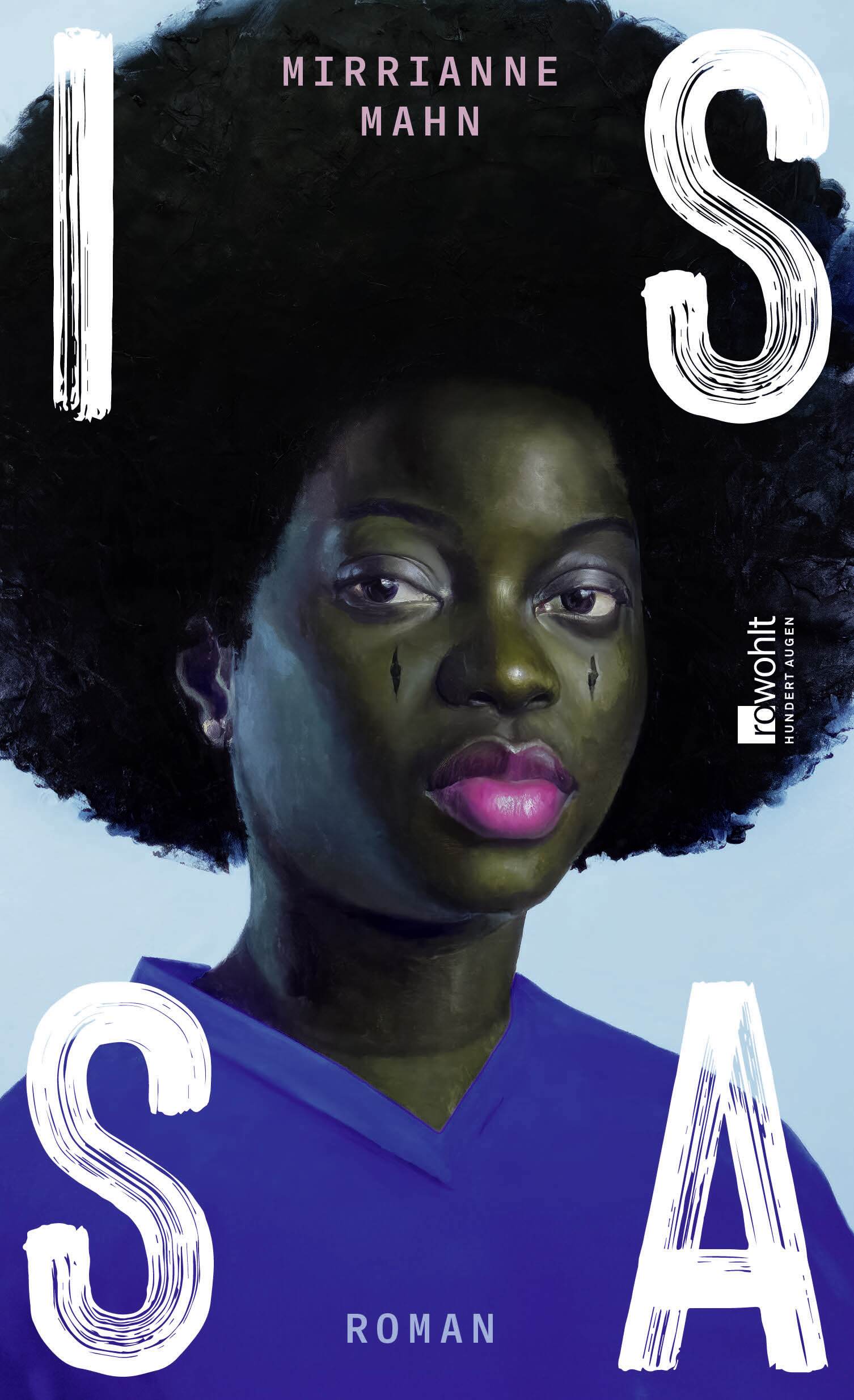
Issa, who lives in Frankfurt am Main, is pregnant and desperate. The situation with her child’s father is complicated as is with her mother. No longer knowing what to do, and at the urging of her mother, she flies to see her grandmother and great-grandmother in Cameroon.
more...
Many people who grow up in Germany believe that colonialism belongs to the distant past and has no influence on them. However, this is not true. Postcolonialism is reflected in the Eurocentric worldview, the media, language and in consumer behaviour.
more...
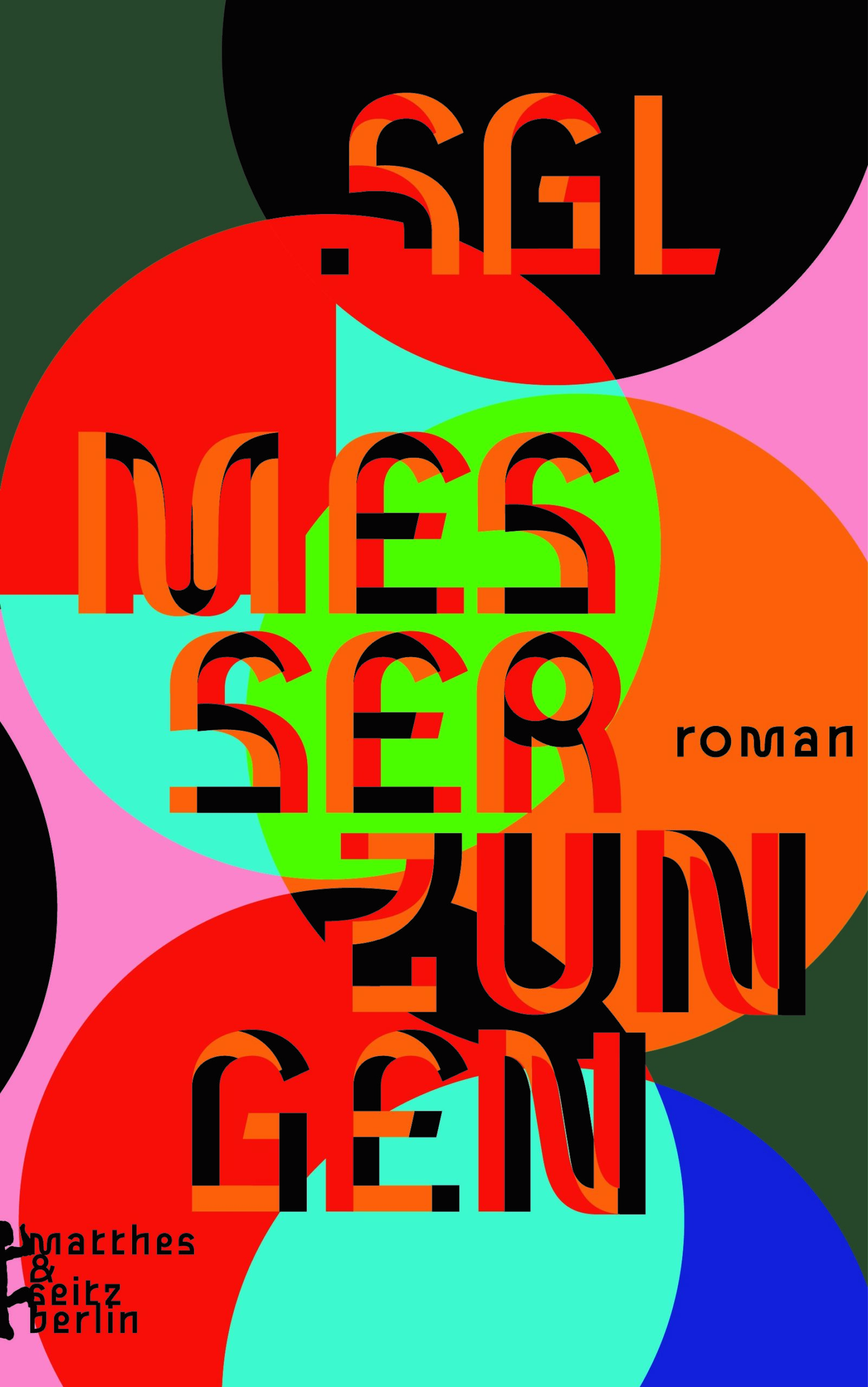
In the novel Messer, Zungen (Knives, Tongues, not yet translated into English) Simoné Goldschmidt-Lechner approaches the story of a South African family that later moves to Germany in an experimental, fragmentary manner.
more...
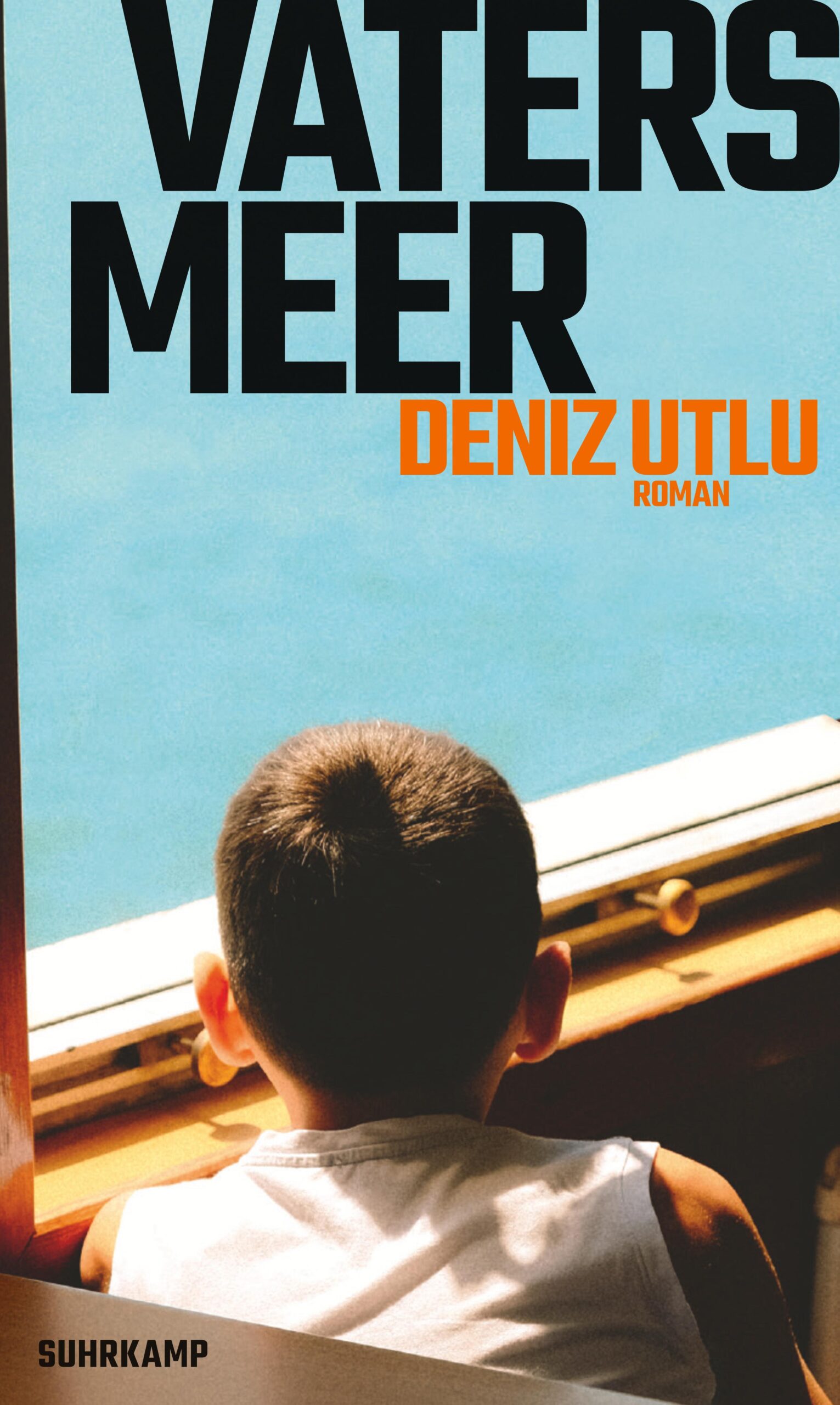
Vaters Meer follows the thoughts of a boy who has to deal with the loss of his father with great sensitivity.
more...
Ginger tea to Germans is starting to feel like what Windex brand glass cleaner was to the father in My Big Fat Greek Wedding.
more...
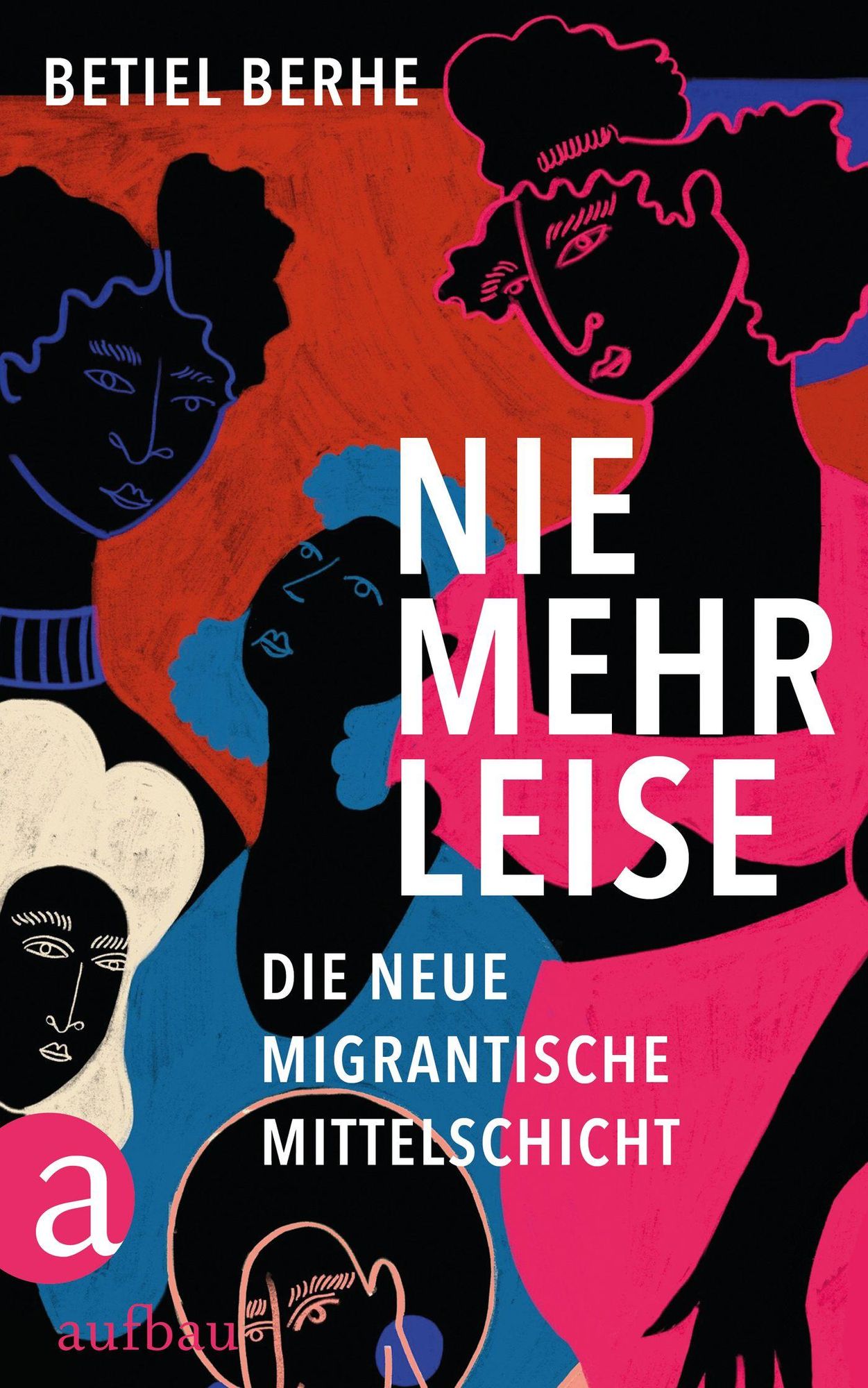
Betiel Berhe explores and explains how closely related the dimensions of race and class are, by way of her own biography and various events of recent years.
more...