When over 1 million indentured labourers left the sub-Indian continent to work in the British colonies of the world, they had to redefine their cultural identity…
more...
As part of the Barrio Berlin festival, Hopscotch Reading Room, and poco.lit. co-program an evening at the cemetery café Lisbeth. Several dozen people squeeze into the building for a reading by Avrina Prabala-Joslin, a Tamil poet, and Maya Saravia, a Guatemalan artist.
more...
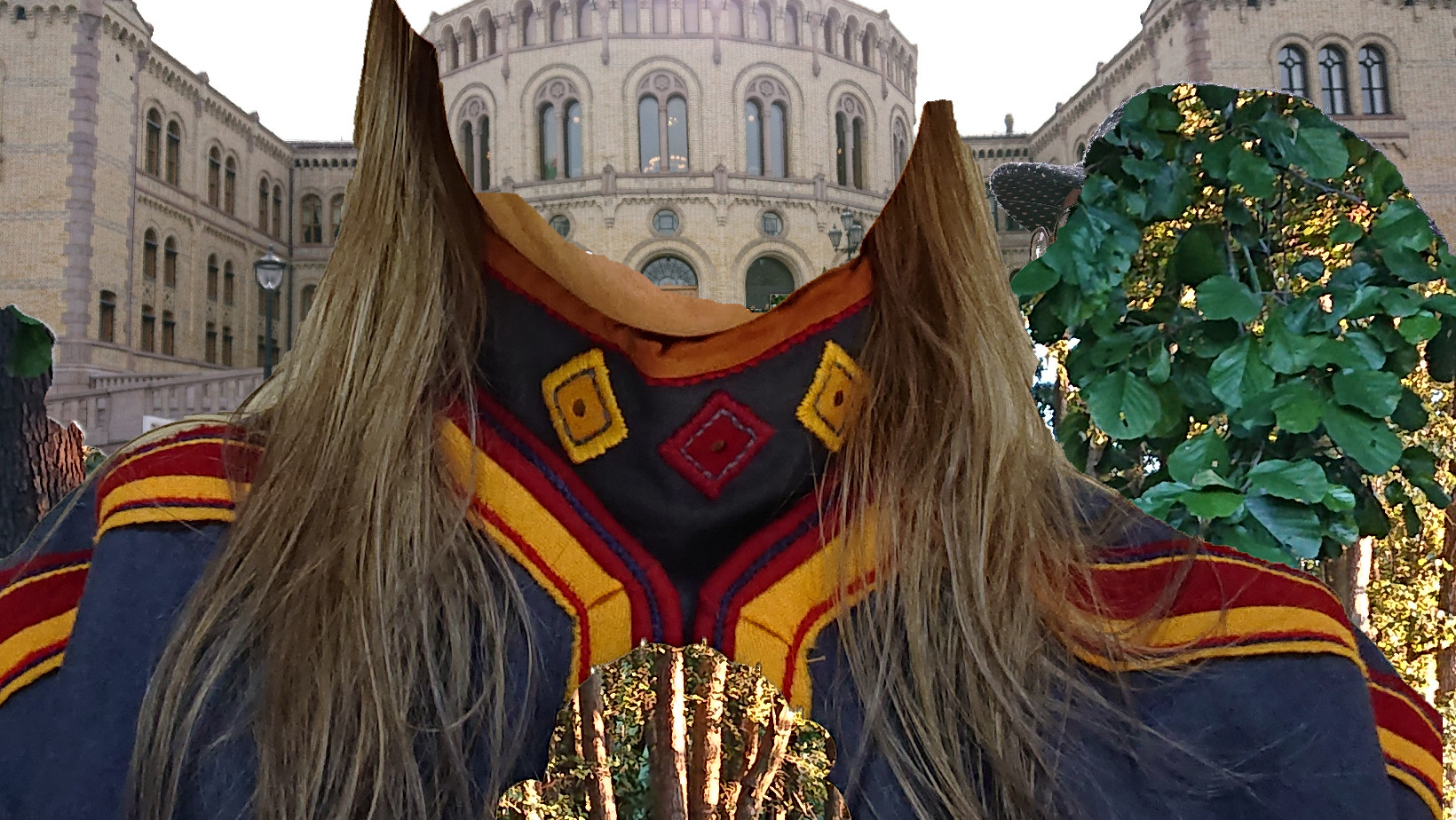
Before I let you in on the strange journey that we were about to commence, I must share my history with you. I was borne by a boulder up in Sápmi, a land the Sámi has lived on sine the ice started revealing the land.
more...
What’s great about cinema though – lest you thought I wasn’t going to mention books versus movies – is that it has helped to diversify this aesthetic of storytelling. So I was especially thrilled when I first came across Biren Nag’s Kohraa, (‘The Fog’) a film from 1964 which is an adaptation of Rebecca the novel by Daphne du Maurier and film by Alfred Hitchcock.
more...
In her second essay, Sophie Yukiko continues her critical examination of the German Ballroom culture. She observes that it holds huge potential because from its earliest days, it has always been a space for discussion, criticism, adjustment and conversation.
more...
German-American writer, performance artist and cultural curator Sophie Yukiko looks back on a decade of creating and experiencing Ballroom Culture in Germany. With a critical look on the reproduction of powerdynamics, she tries to find out what happened between 1980’s Harlem and today while diving into the conflicts and potentials of the German scene.
more...
To travel is a privilege not afforded to all. While that might seem a bit hyperbolic in times like these, it is in fact a reality for most of the world.
more...
We moved to Mumbai when I was 5 years old, already speaking Hindi, English, and crumbs of Nepalese, dregs of infancy passed in Kathmandu.
more...
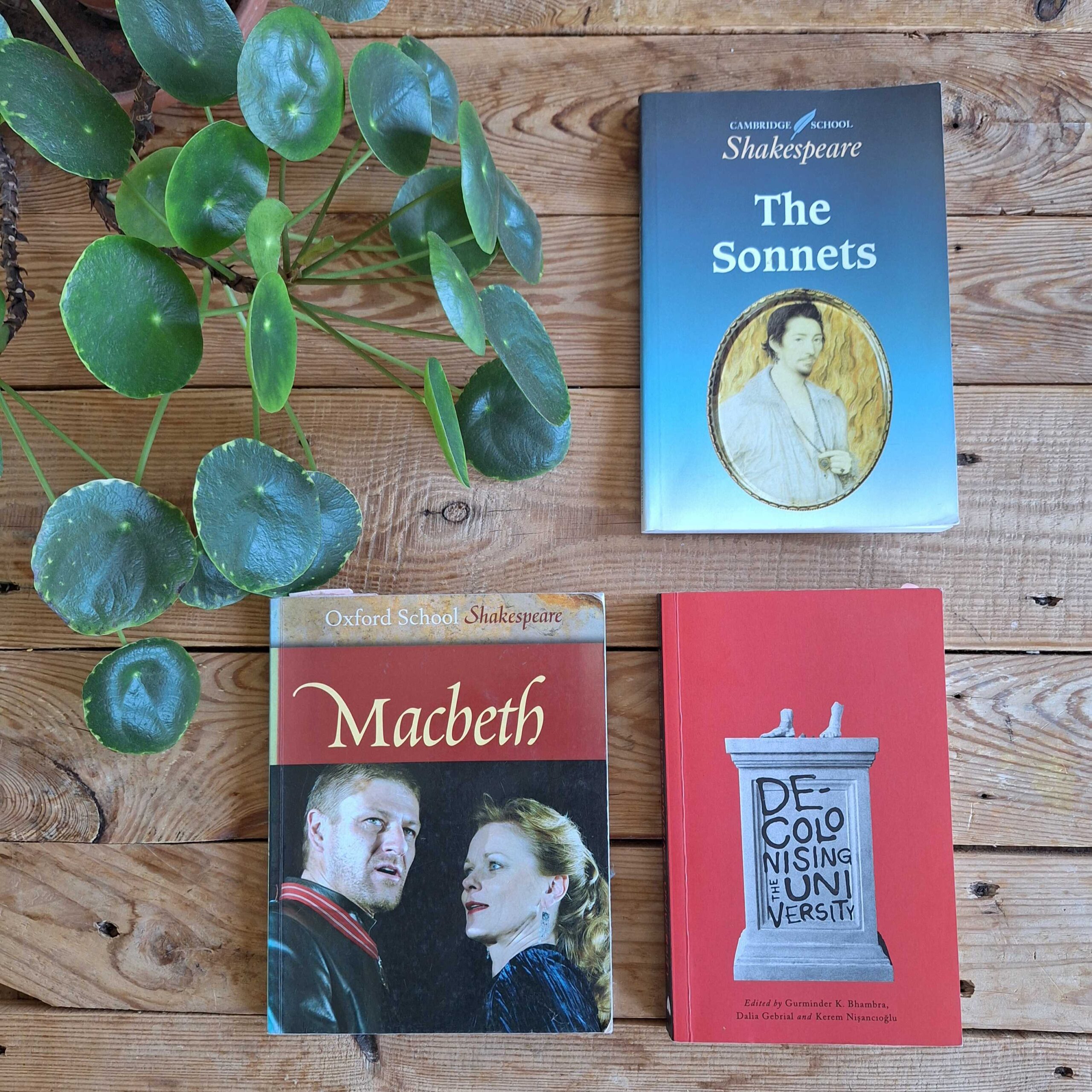
If your interests lie with the postcolonial, Shakespeare might seem like an unlikely port of call. Or rather, he might seem representative of a lot of the things a postcolonial approach would be interested in working against. He could, for instance, represent what needs to be removed in calls to ‘decolonize the university’: a dead […]
more...
Around 12,000 kilometers apart are two places that could hardly be more different and yet share the same name: Lüderitz in the north of Saxony-Anhalt and Lüderitz in the southwest of Namibia. The two towns of Lüderitz act as a visual setting for negotiations of the past.
more...