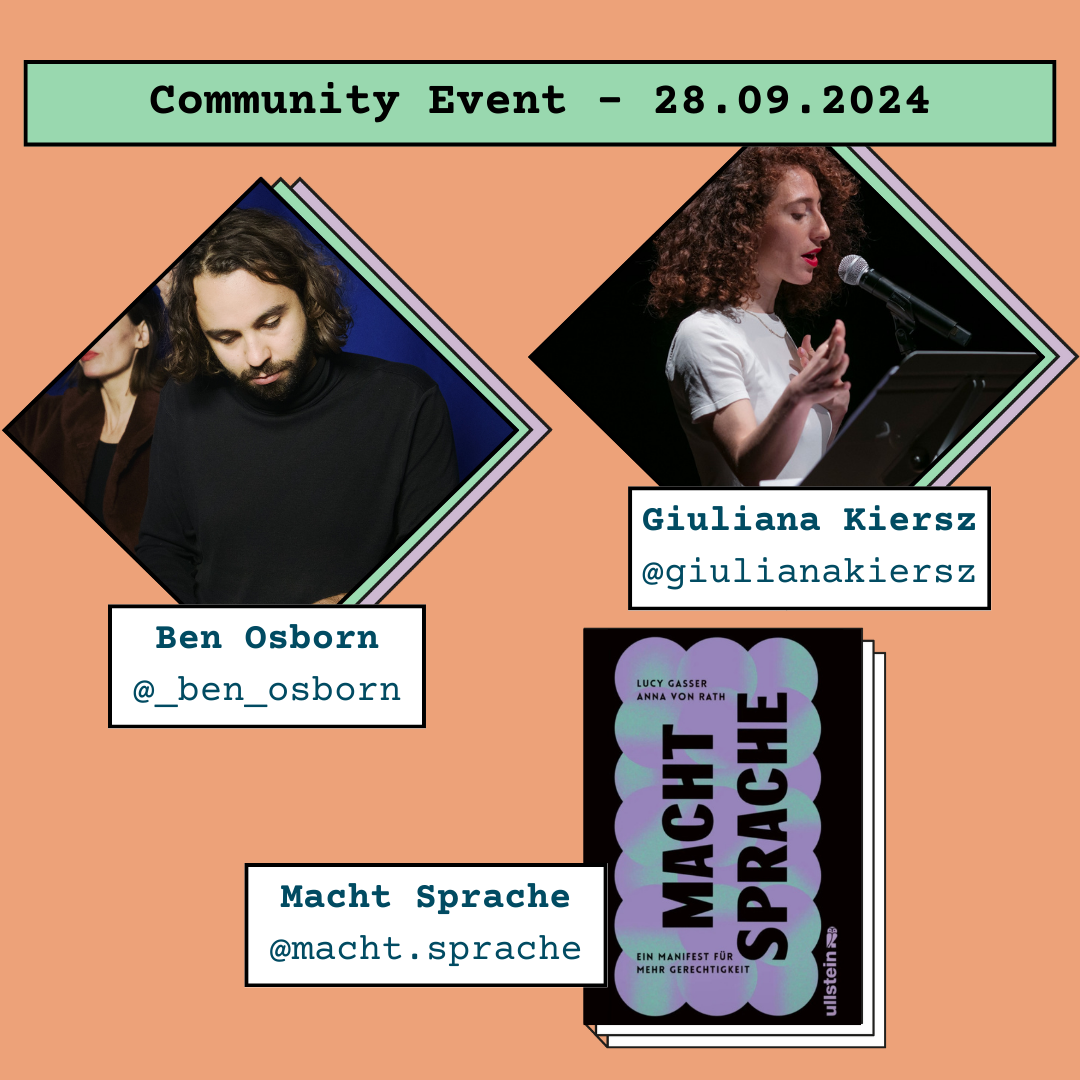
Warm invitation to our second community event! We would like to meet you all in person and have a chat over a drink. First we will introduce ourselves, poco.lit. and our newly published book “Macht Sprache: Ein Manifest für mehr Gerechtigkeit”. And then, we will be able to enjoy a performance by poet Giuliana Kiersz and musician Ben Osborn.
more...
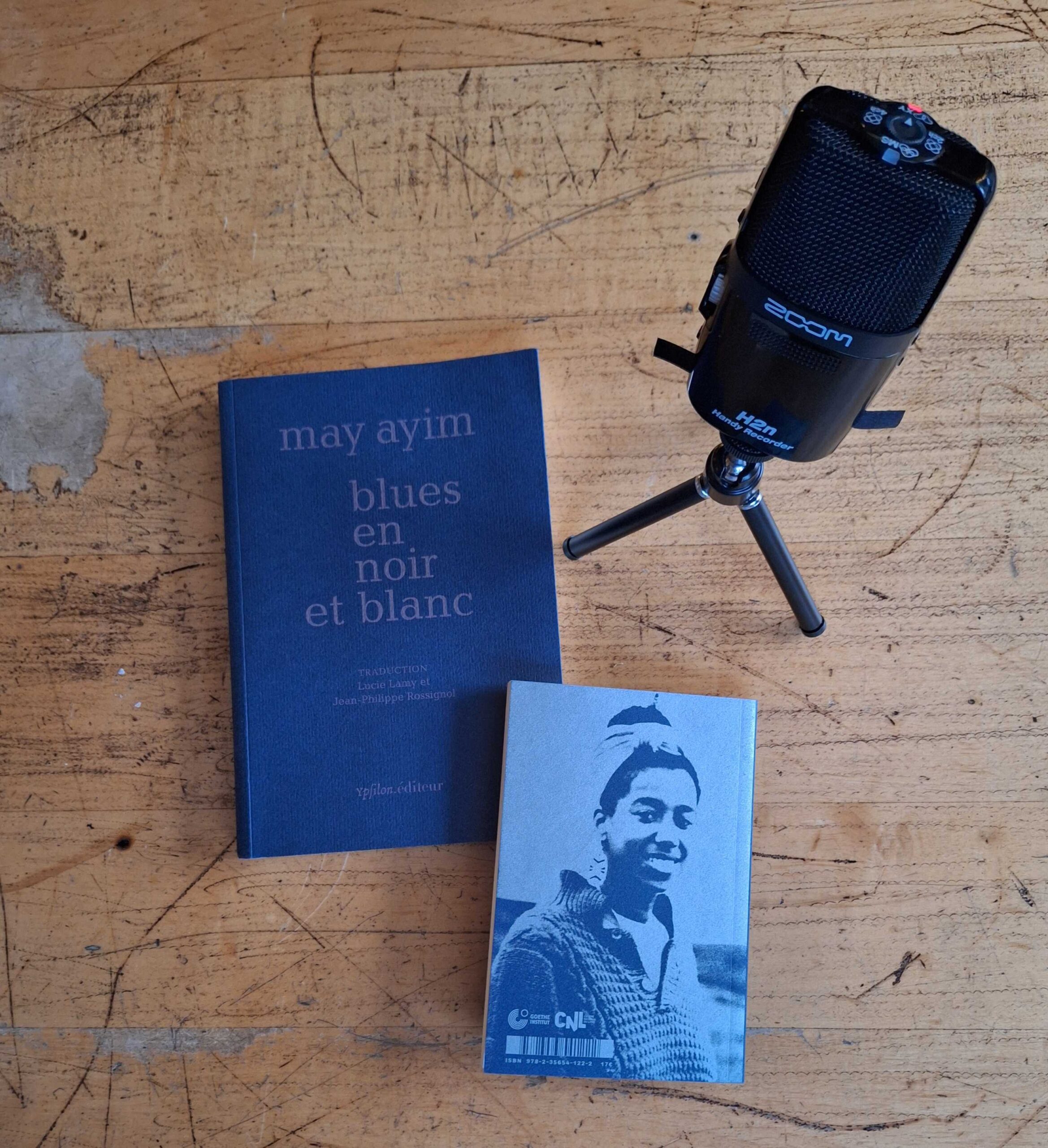
Within the framework of the Resonance program organized by the Goethe-Institutes in France, Justine Coquel and Anna von Rath chatted with Lucie Lamy, who, together with Jean-Philippe Rossignol, translated May Ayim’s works into French.
more...
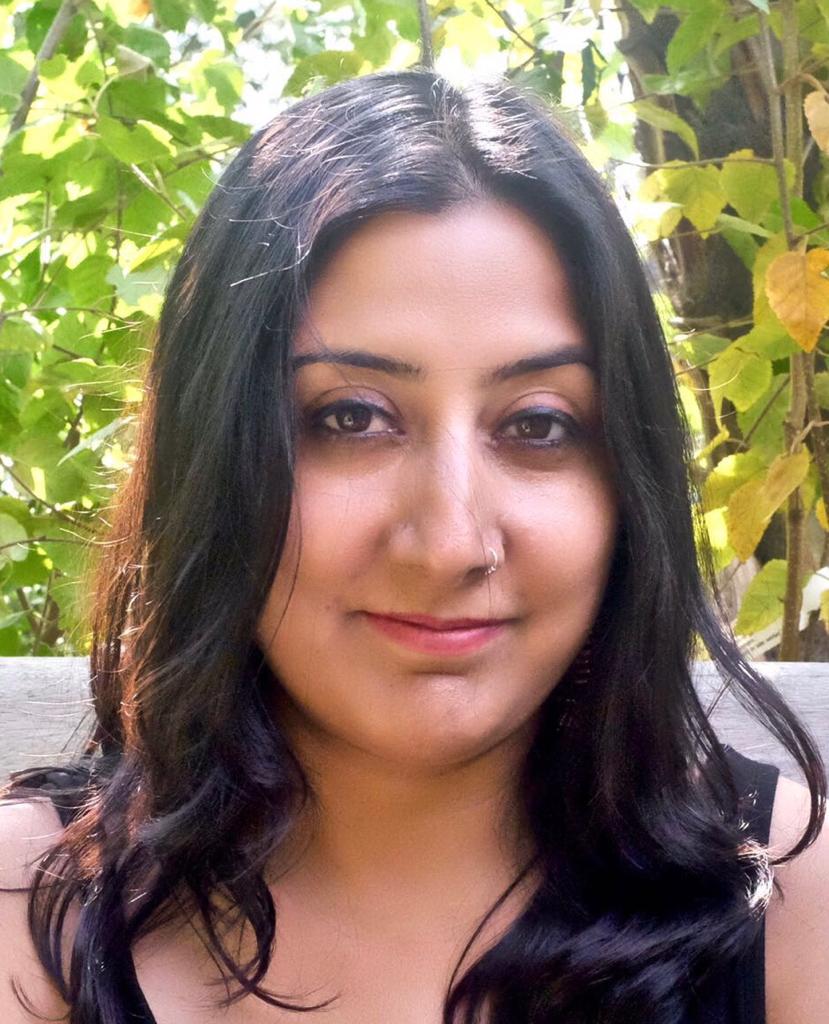
Kavita Bhanot is a writer, editor, translator, teacher, and activist based in Birmingham, UK. We were lucky enough to chat to her about her work and her perspective on translation – translation as a political act, a form of violence, and a tool to foster dialogue when used responsibly.
more...
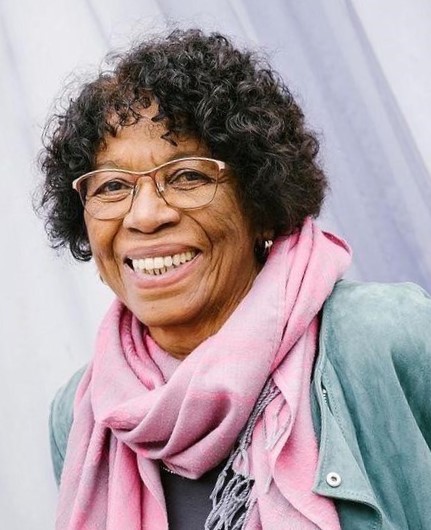
As part of our macht.sprache. project, we organized a workshop at the Literarisches Colloquium Berlin in early September 2022. This gave us the opportunity to speak with German and American studies scholar Marion Kraft about her translation work. We discussed Audre Lorde, linguistic changes, new translations and team translations.
more...
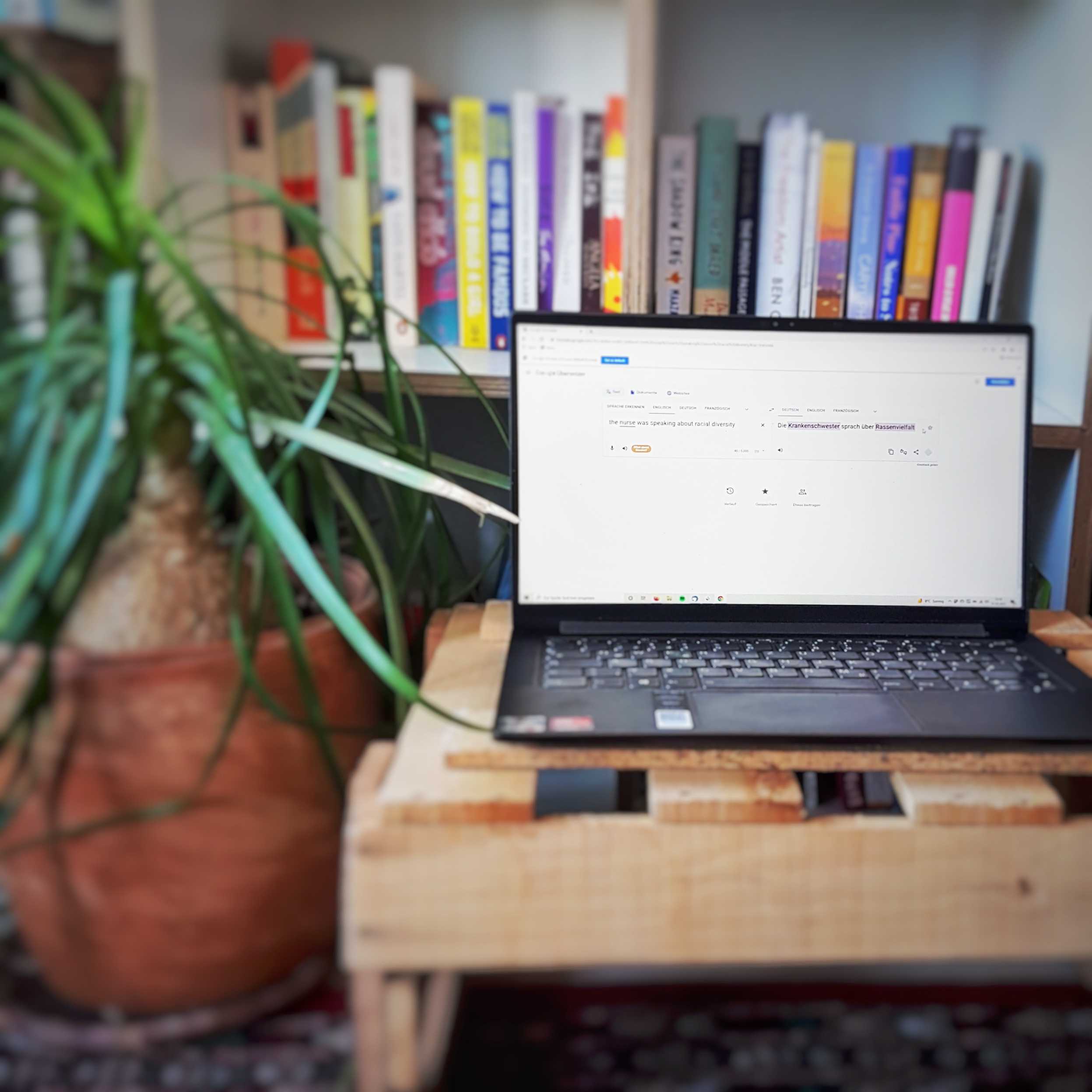
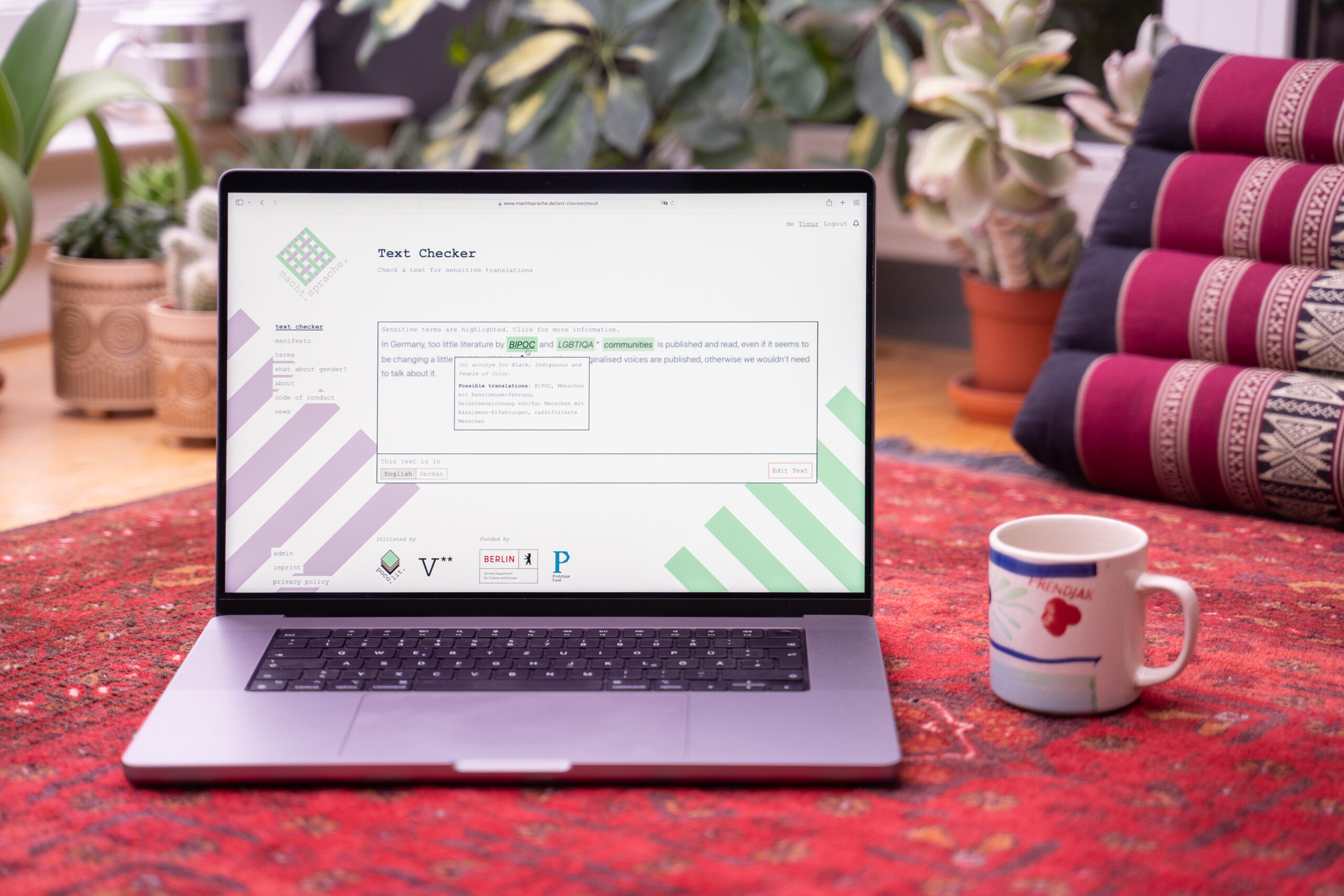
Since the beginning of 2021, we here at poco.lit. have been working on the macht.sprache. project with Kolja Lange and Timur Celikel. The project aims to foster politically sensitive translation. Our new browser extension will help achieve this goal.
more...
The macht.sprache. project has been running since the beginning of 2021. Here we offer some insights into the thought processes behind the development of the Text Checker and explain why it is accompanied by a translation manifesto.
more...
In cooperation with the Goethe-Institutes in North-Western Europe, poco.lit. hosted an online discussion about disability and/in translation. Khairani Barokka and Amy Zayed shared valuable insights. This is an overview of the discussion spanning particular terms in relation to disability, pragmatic suggestions for translators and the connection between disability justice and anti-colonialism.
more...
On 4 June, 2021, we hosted a discussion event with Lann Hornscheidt and Şeyda Kurt in cooperation with the Goethe-Institut. As part of the projects macht.sprache. and Artificially Correct, we were able to learn from the guests about ways of dealing with politically sensitive terms in writing and translating. This is part two of the transcript.
more...
Jhumpa Lahiri wrote her latest novel in Italian. Afterwards she translated it into English herself. The deliberate shift in her own language focus invites me to question several things: the linguistic pressure to conform that migrants of Colour often experience. And the common idea that people can only express themselves well in one language – their mother tongue.
more...
The writer Olga Grjasnowa, whom many readers probably associate with her novel All Russians Love Birch Trees (Der Russe ist einer, der Birken liebt), was born in Baku, Azerbaijan, and came to Germany when she was eleven. In her recently published non-fiction book, The Power of Multilingualism – On Origins and Diversity (which has not […]
more...