Many people who find their cultural activities increasingly moving into the realm of the virtual might find themselves working more and more with translation tools. Yet these tools, and the translations they offer, tend to suffer from biases embedded into their making.
more...
We are happy to announce a new project for 2021, in which we will collaborate with völlig ohne to develop a web app to foster politically sensitive translation.
more...
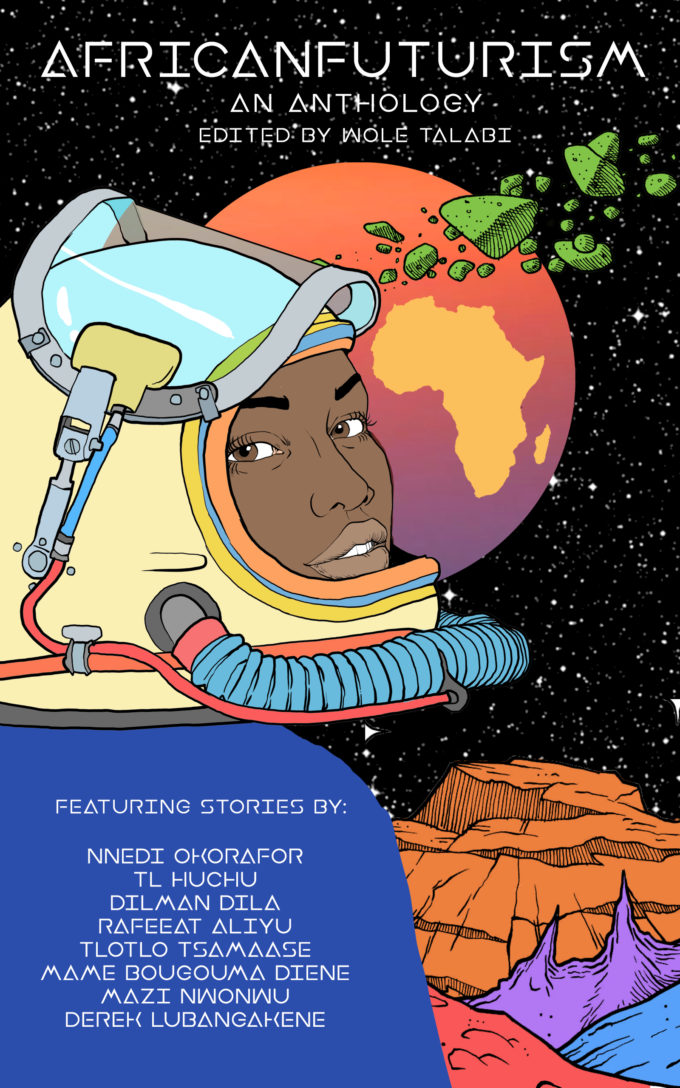
Recently, we’ve published articles on Afrofuturism and Africanfuturism. Both Afrofuturism and Africanfuturism can be framed as belonging to the larger genre of speculative fiction. But what is speculative fiction? Or perhaps more importantly, what can it do?
more...
The Afrofuturist movement strives for a space for independence and self-determination for Black people and rejects European universalism. Yet writers on the African continent have also expressed how this label doesn’t speak to and for what they are doing…
more...
“Primarily, I want to create awareness: awareness for the perspective of a Black person in Germany, so that people who belong to the majority white population can develop a sensitivity.”
more...
Aliens have landed off the coast of Lagos, Nigeria. Immediately, they change pollution levels, marine life, the quality of the ocean water – and that’s just before they get to land. Nnedi Okorafor’s novel Lagoon is both a fun, high-action romp through the old sci-fi tropes of alien arrival, and in many ways a carefully considered decolonisation of the genre and its Eurocentric epistemological underpinnings.
more...
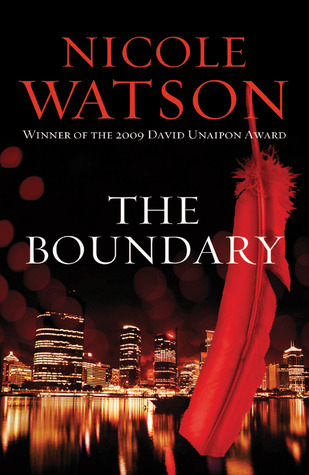
They should adapt this book into a movie. It’s a dark, gritty crime noir waiting to be made. What makes it more than your average whodunit murder-mystery genre-novel is the context of its setting.
more...
Postcolonial literatures are too often configured as being in some kind of relationship to Europe. Isn’t this just a different kind of Eurocentrism? Zoe Wicomb’s You can’t get lost in Cape Town shows up the inadequacy of a European literary tradition to the stories she wants to tell.
more...
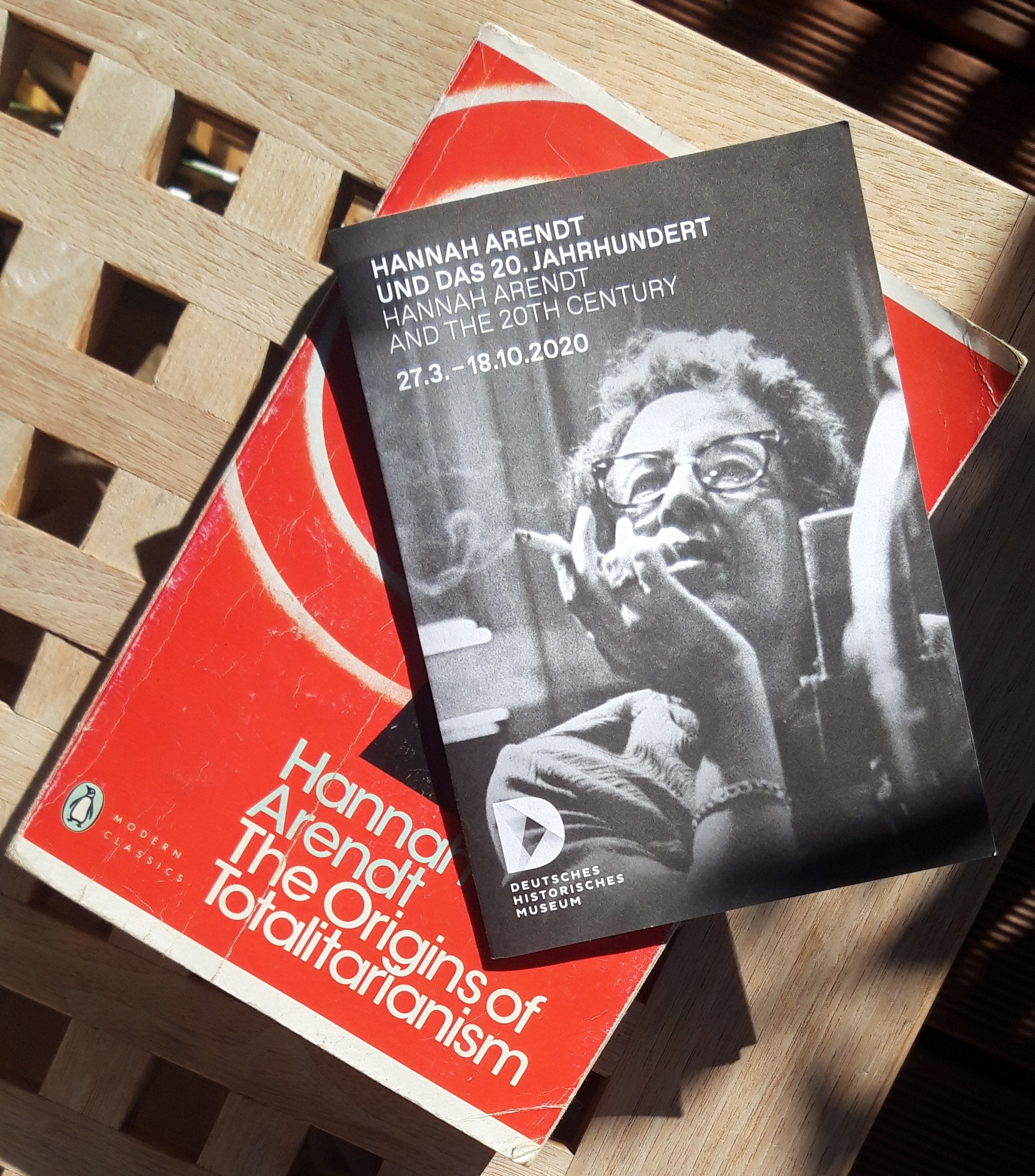
There is, currently and running until the 18th of October 2020, an exhibition on at the Deutsches Historisches Museum (German Historical Museum) in Berlin on Hannah Arendt and the 20th Century. My interest in the exhibition was roused by recently having read The Origins of Totalitarianism, which, unfortunately for me, made up a relatively small part of the exhibition.
more...
Last Friday evening I tuned in to livestream the ilb’s reading with Nana Kwame Adjey-Brenyah of Friday Black, a collection of short stories that explores issues of race and social justice in dystopian near-future settings.
more...